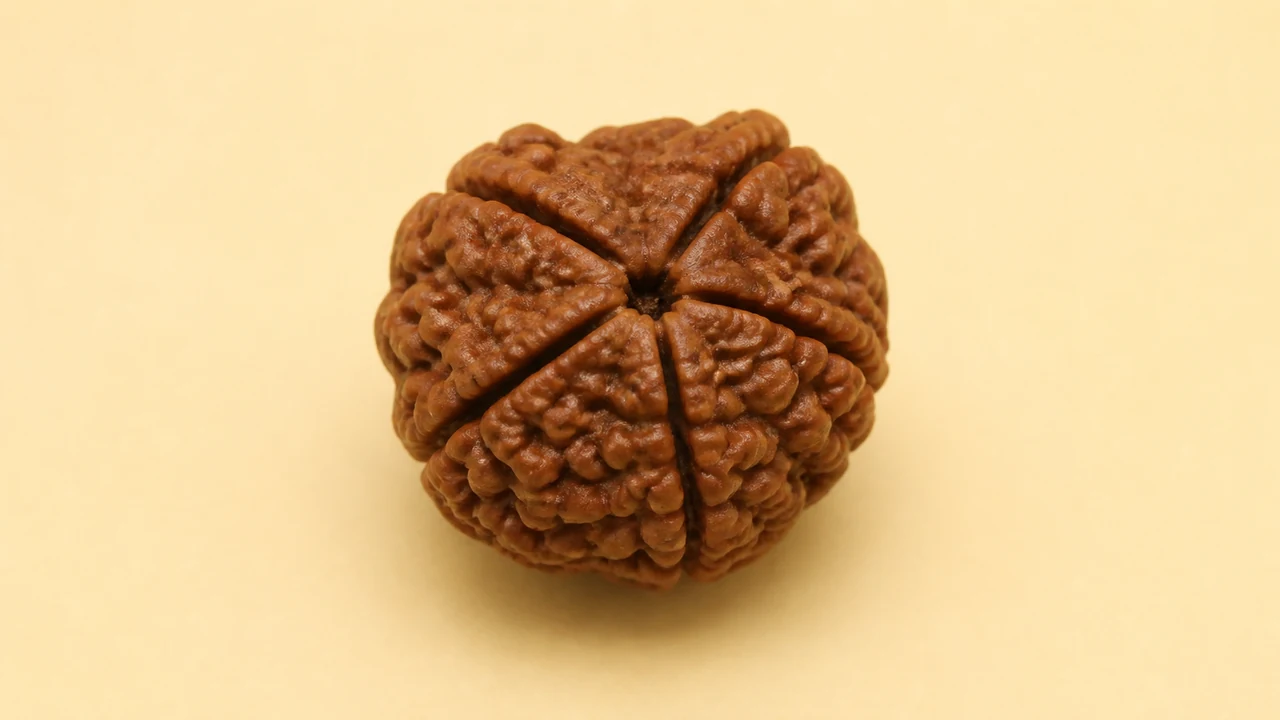
 Symbolic AI-generated illustration; natural beads vary and the image is not evidence of identity or authenticity.
Rudraksha
A five-faced Rudraksha editorial dossier. Shaiva scripture associates it with Rudra/Kalagni; all spiritual benefits are presented as tradition, not guaranteed or medical outcomes.
Scriptural sourceModern researchBotanical reference
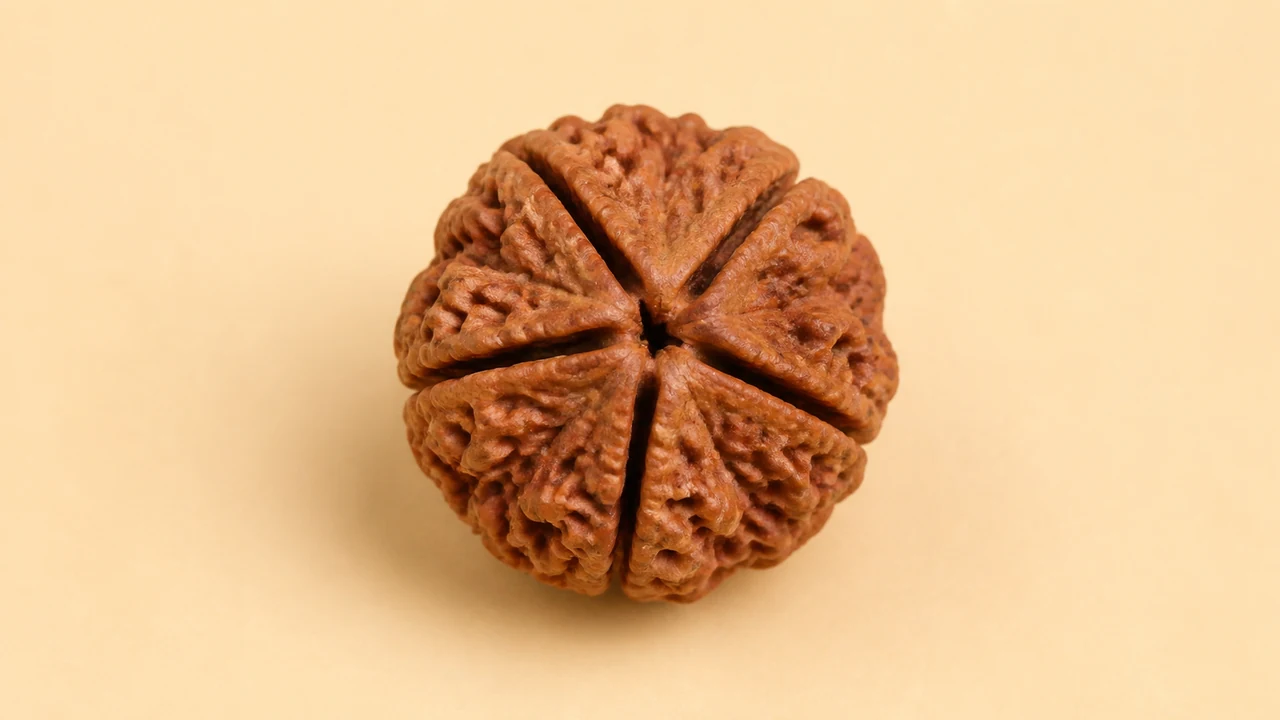 Symbolic AI-generated illustration; natural beads vary and the image is not evidence of identity or authenticity.
Rudraksha
A six-faced Rudraksha editorial dossier. Shaiva scripture associates it with Kartikeya; all spiritual benefits are presented as tradition, not guaranteed or medical outcomes.
Scriptural sourceBotanical reference
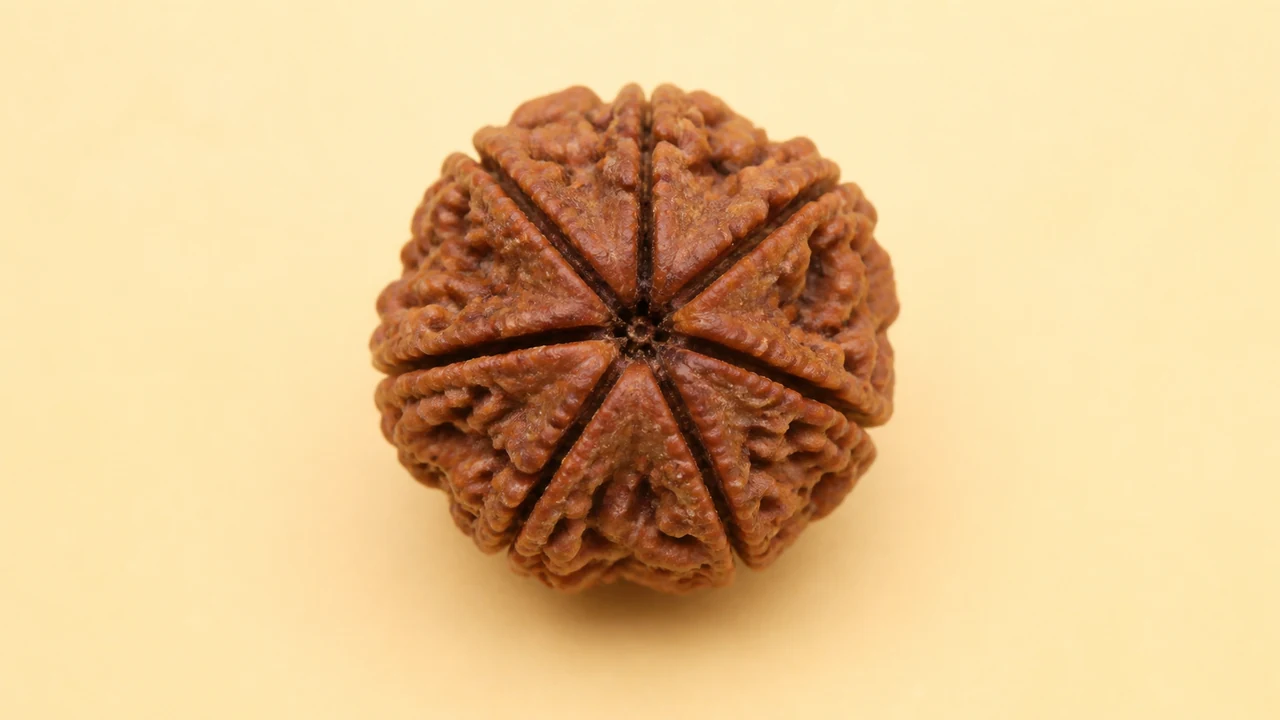 Symbolic AI-generated illustration; natural beads vary and the image is not evidence of identity or authenticity.
Rudraksha
A seven-faced Rudraksha dossier. The Siva Purana calls it Ananga; a consulted Upanishad translation associates it with the seven Matrs. Mahalakshmi and Saturn claims are not established by those cited passages.
Scriptural sourceBotanical reference
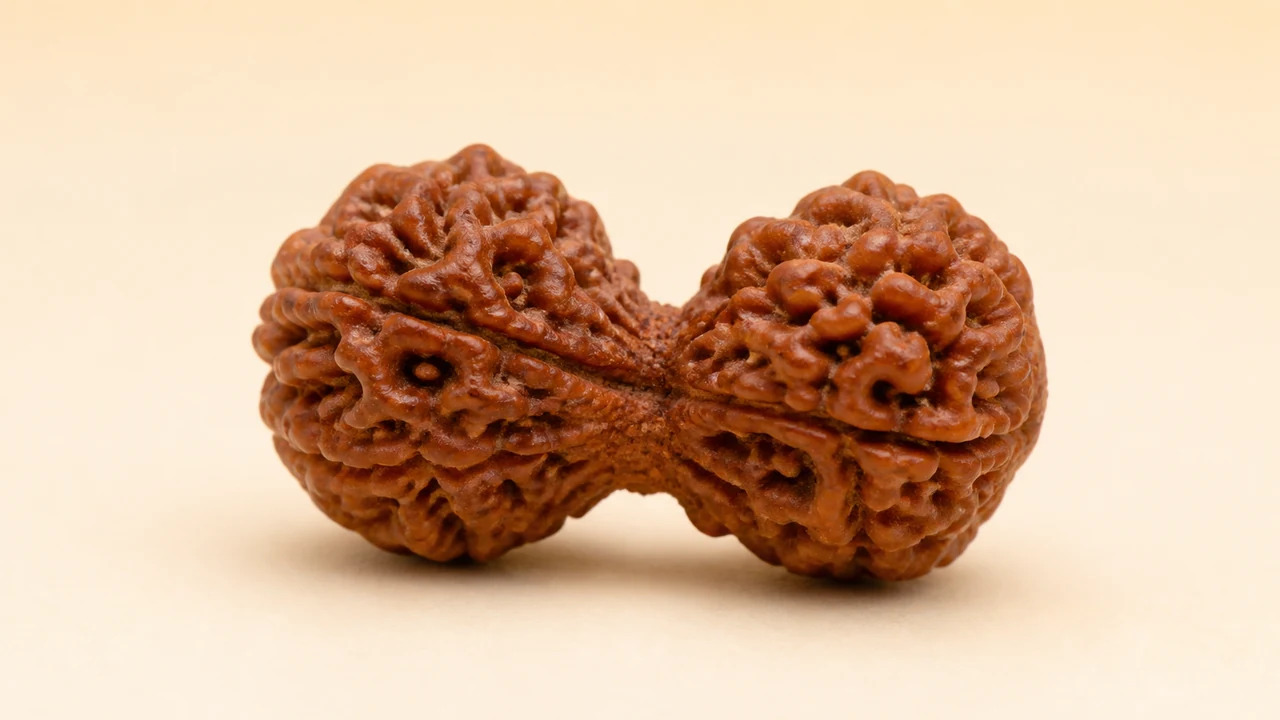 Symbolic AI-generated illustration; natural beads vary and the image is not evidence of identity or authenticity.
Rudraksha
A naturally conjoined two-seed form documented in a scholarly secondary source and traditionally revered as the joint symbolism of Parvati (Gauri) and Shiva (Shankar). No specific primary-scripture attestation was verified.
Documented traditionBotanical referenceModern researchScriptural source
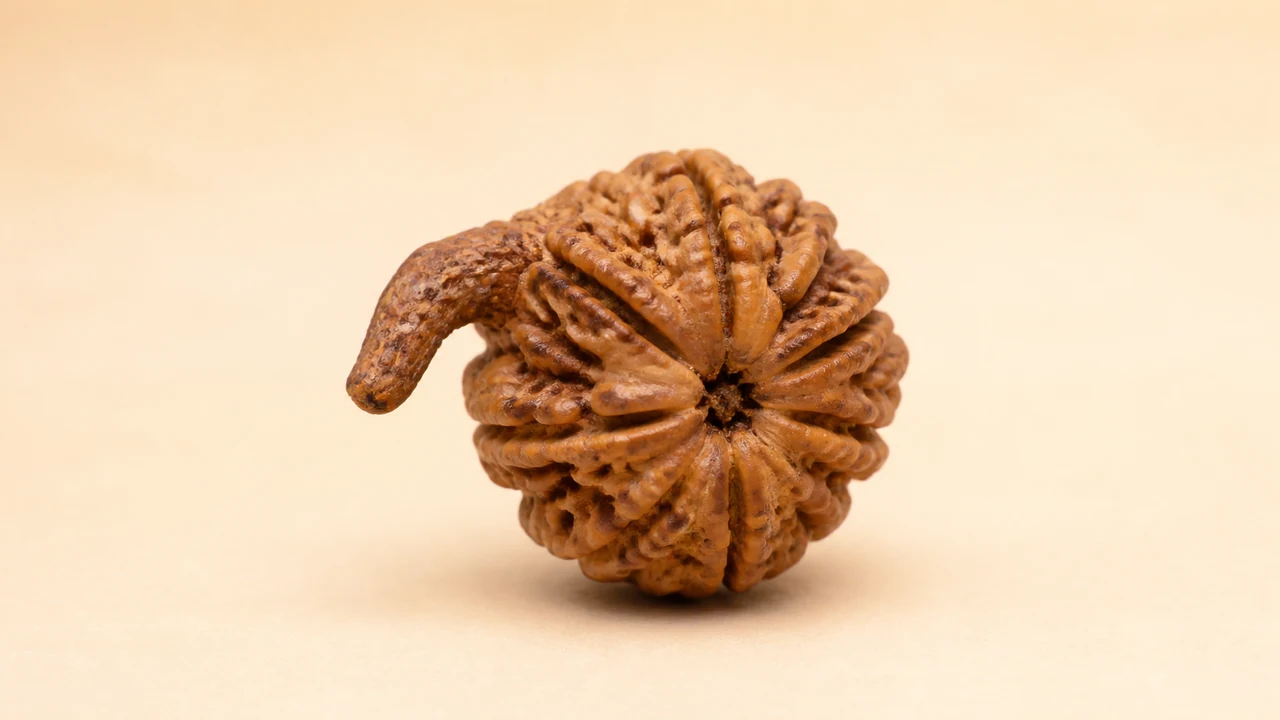 Symbolic AI-generated illustration; natural beads vary and the image is not evidence of identity or authenticity.
Rudraksha
A contemporary descriptive category for a Rudraksha bead bearing a natural trunk-like protrusion. A primary-scripture attestation and a standardized scholarly identification rule were not verified in this research pass.
Botanical referenceScriptural source
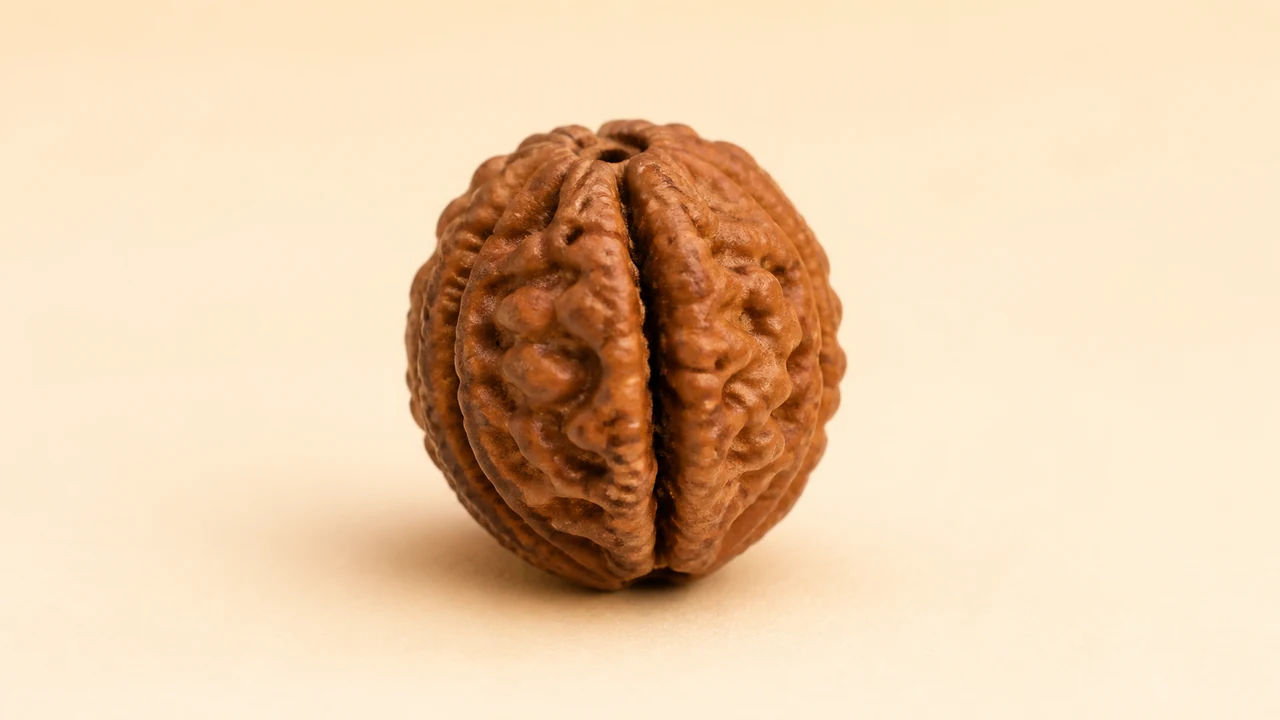 Symbolic AI-generated illustration; natural beads vary and the image is not evidence of identity or authenticity.
Rudraksha
2 Mukhi Rudraksha has 2 principal natural faces. The Siva Purana associates it with Deva-devesa/Isa. Other consulted witnesses differ, and their readings are kept separate rather than blended.
Scriptural sourceModern research
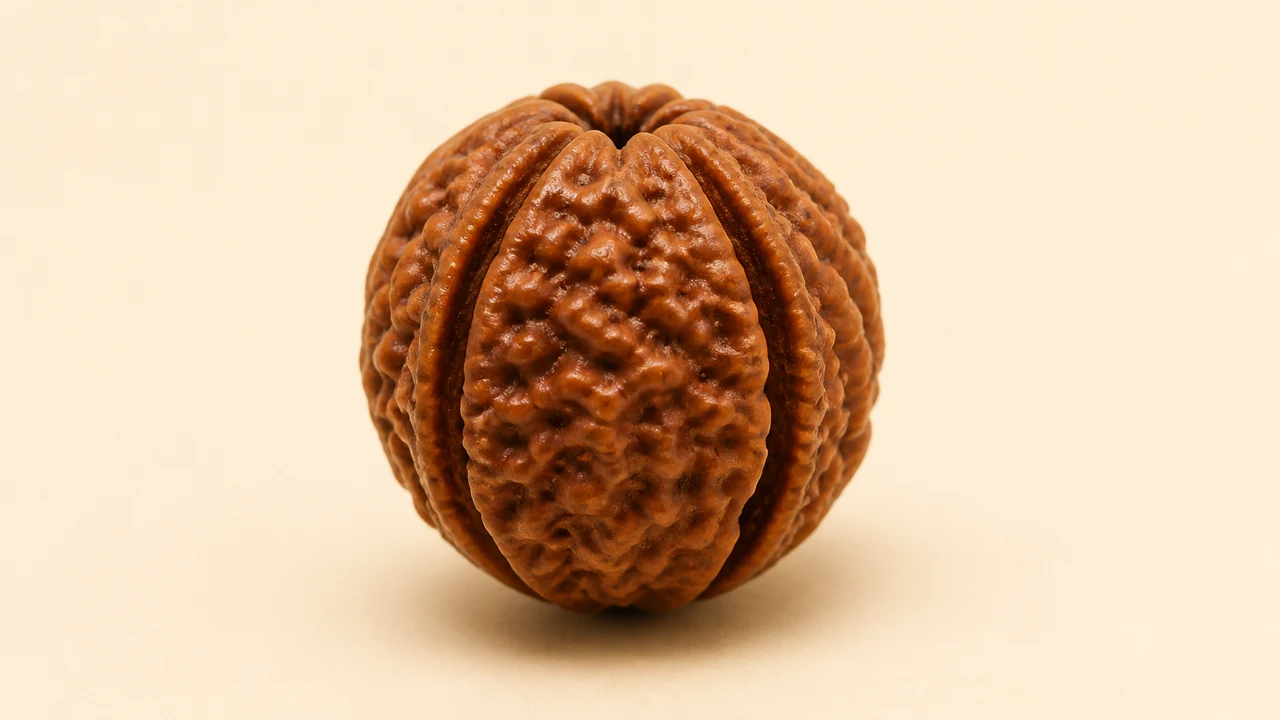 Symbolic AI-generated illustration; natural beads vary and the image is not evidence of identity or authenticity.
Rudraksha
3 Mukhi Rudraksha has 3 principal natural faces. The Siva Purana associates it with sadhana and vidyas. Other consulted witnesses differ, and their readings are kept separate rather than blended.
Scriptural sourceModern research
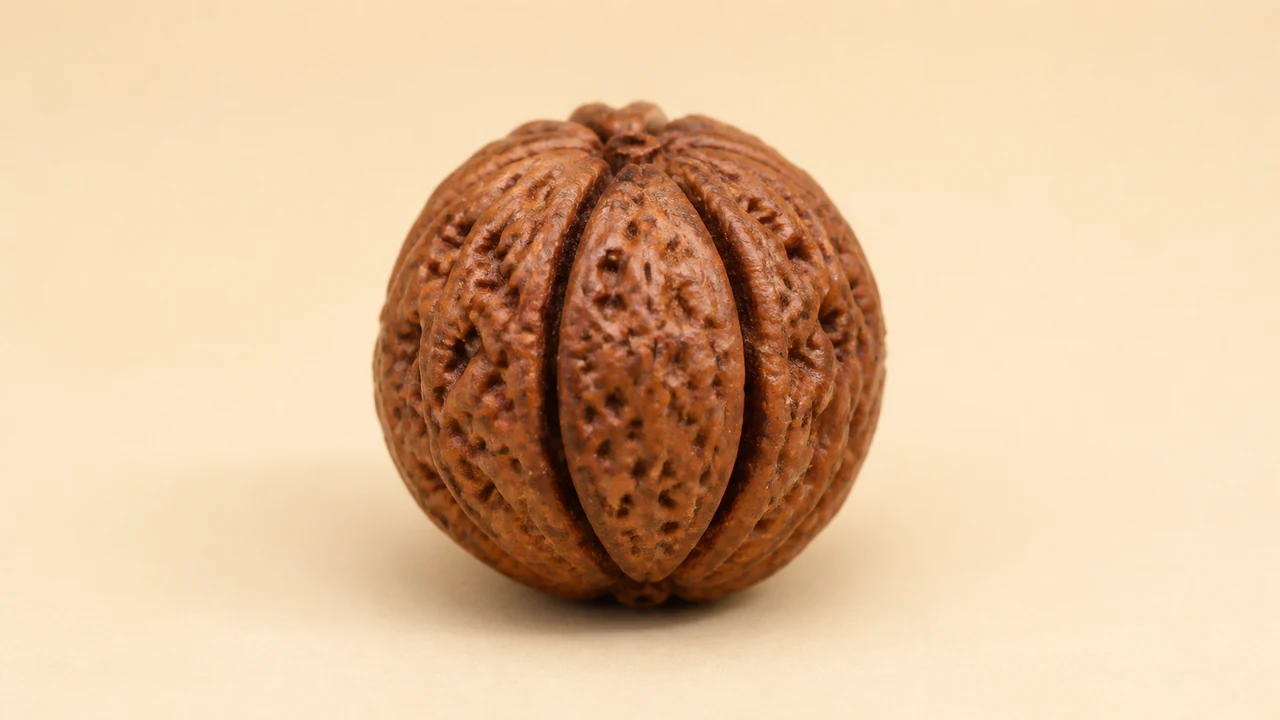 Symbolic AI-generated illustration; natural beads vary and the image is not evidence of identity or authenticity.
Rudraksha
4 Mukhi Rudraksha has 4 principal natural faces. The Siva Purana associates it with Brahma/the four-faced form. Other consulted witnesses differ, and their readings are kept separate rather than blended.
Scriptural sourceModern research
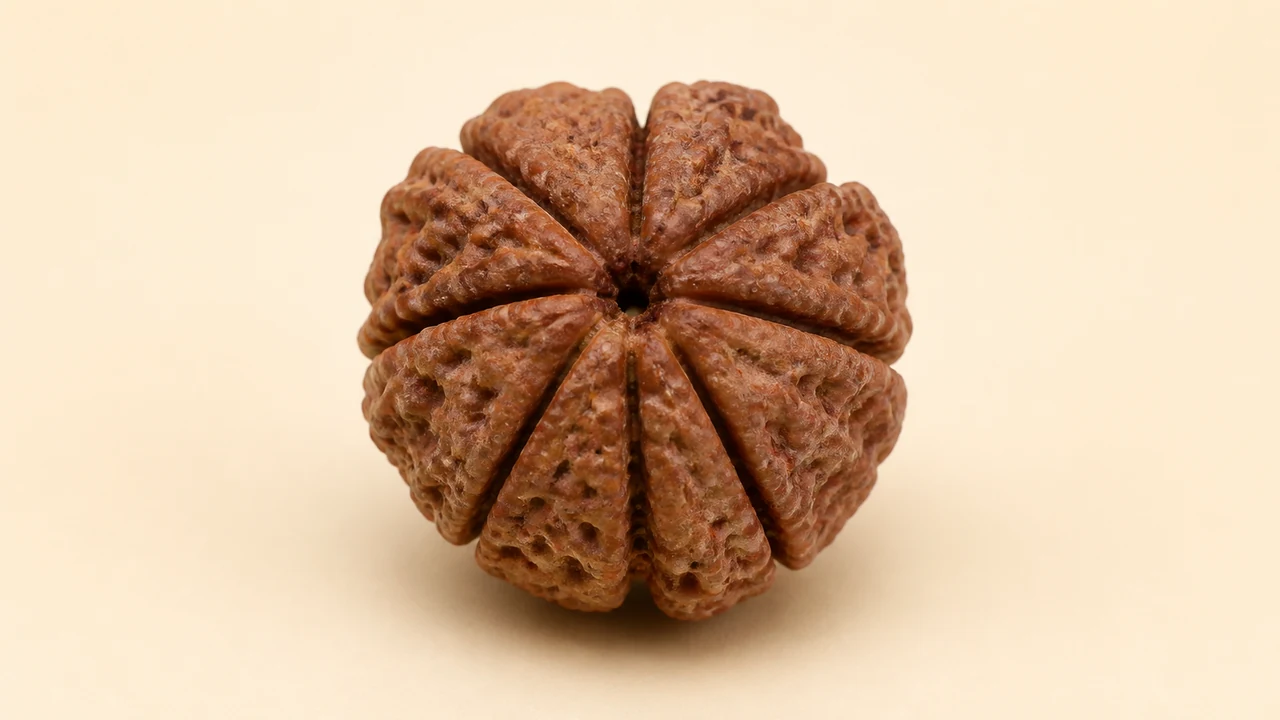 Symbolic AI-generated illustration; natural beads vary and the image is not evidence of identity or authenticity.
Rudraksha
8 Mukhi Rudraksha has 8 principal natural faces. The Siva Purana associates it with Vasu-form/Bhairava. Other consulted witnesses differ, and their readings are kept separate rather than blended.
Scriptural sourceModern research
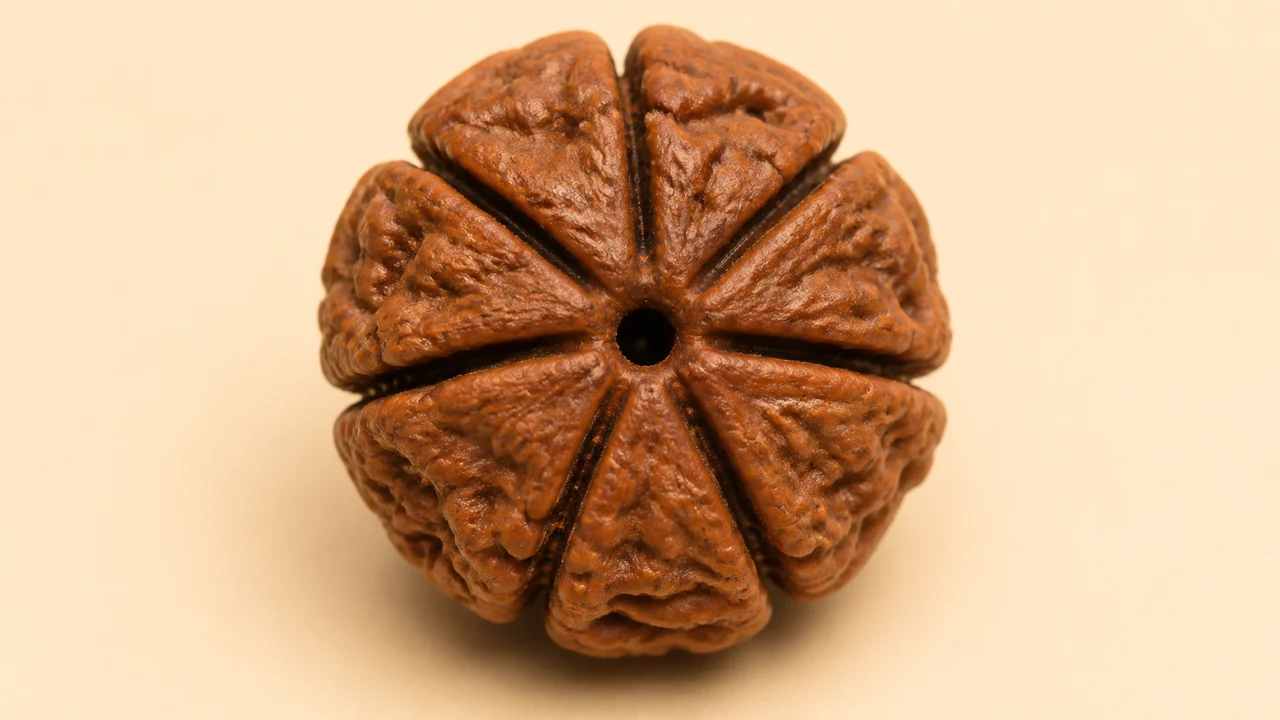 Symbolic AI-generated illustration; natural beads vary and the image is not evidence of identity or authenticity.
Rudraksha
9 Mukhi Rudraksha has 9 principal natural faces. The Siva Purana associates it with Bhairava, Kapila and nine-formed Durga. Other consulted witnesses differ, and their readings are kept separate rather than blended.
Scriptural sourceModern research
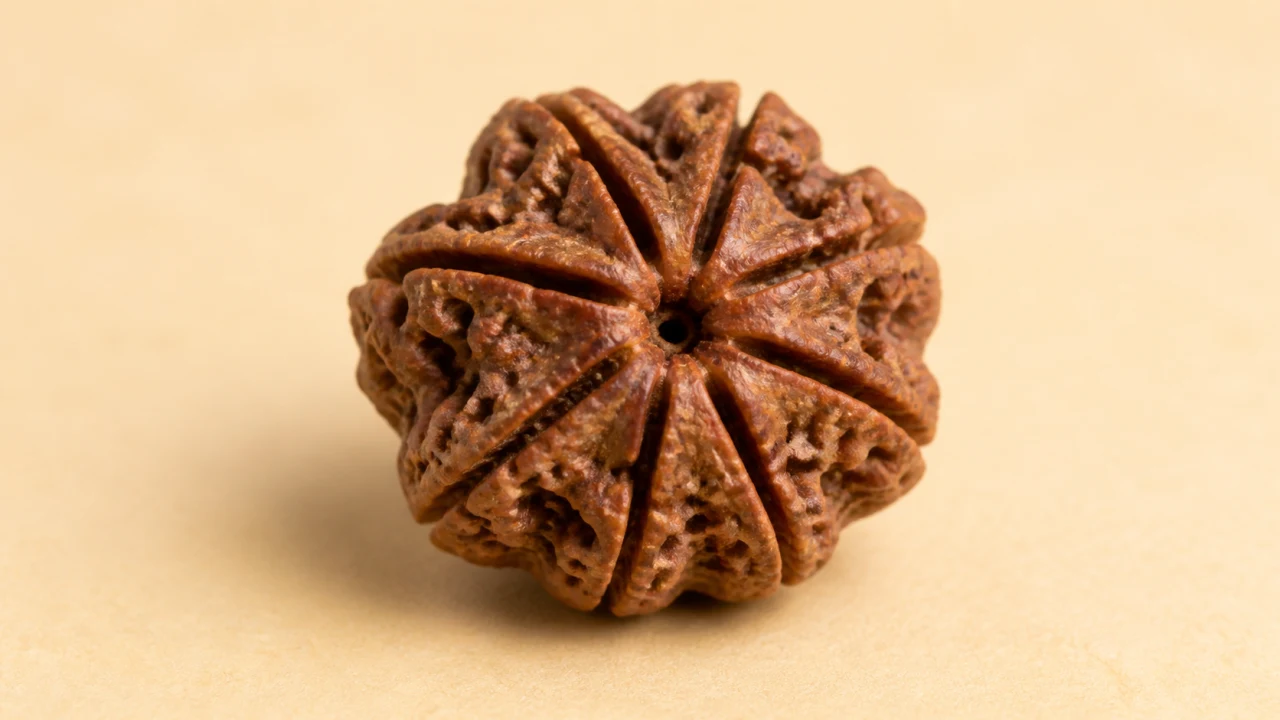 Symbolic AI-generated illustration; natural beads vary and the image is not evidence of identity or authenticity.
Rudraksha
10 Mukhi Rudraksha has 10 principal natural faces. The Siva Purana gives Janardana; the Rudraksajabala witness gives Yama; Devi Bhagavata 11.4 gives Janardana and 11.7 gives the ten directions. These readings are retained separately.
Scriptural sourceModern research
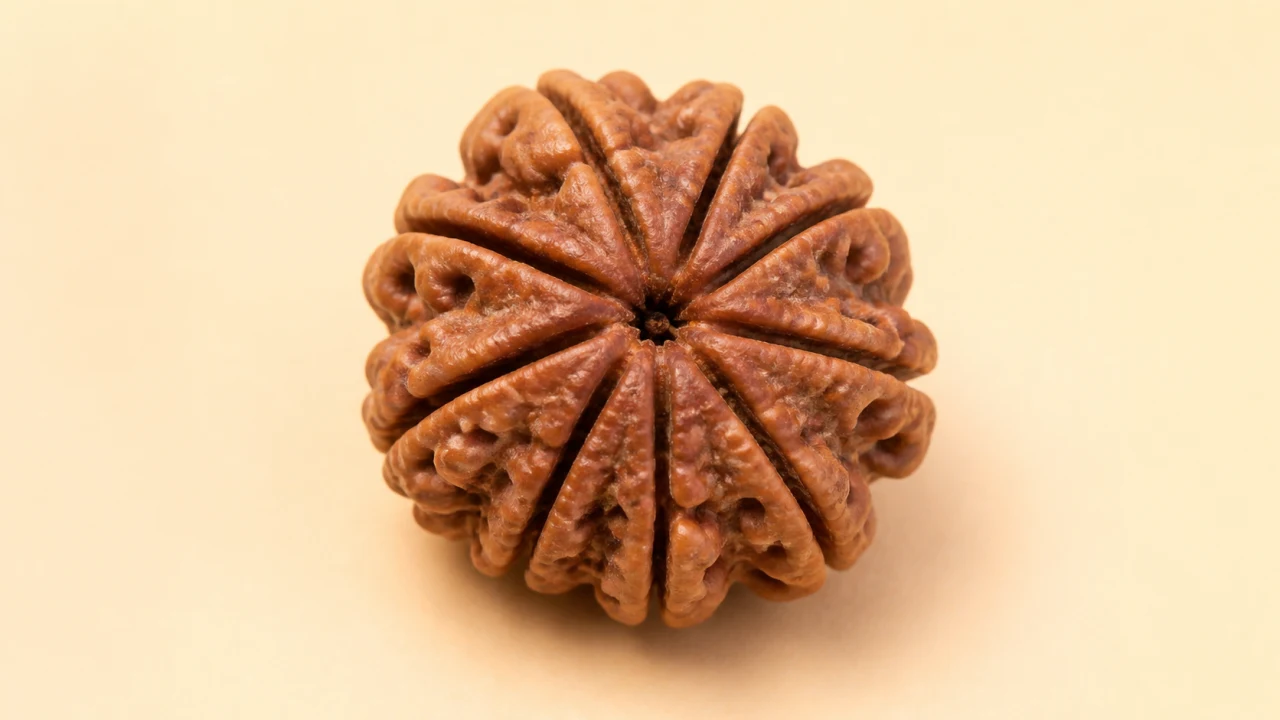 Symbolic AI-generated illustration; natural beads vary and the image is not evidence of identity or authenticity.
Rudraksha
11 Mukhi Rudraksha has 11 principal natural faces. The Siva Purana gives Rudra; the Rudraksajabala witness gives the eleven Rudras; Devi Bhagavata 11.4 gives the eleven Rudras and topknot wearing and 11.7 gives the eleven Rudras, with an additional Indra reading. These readings are retained separately.
Scriptural sourceModern research
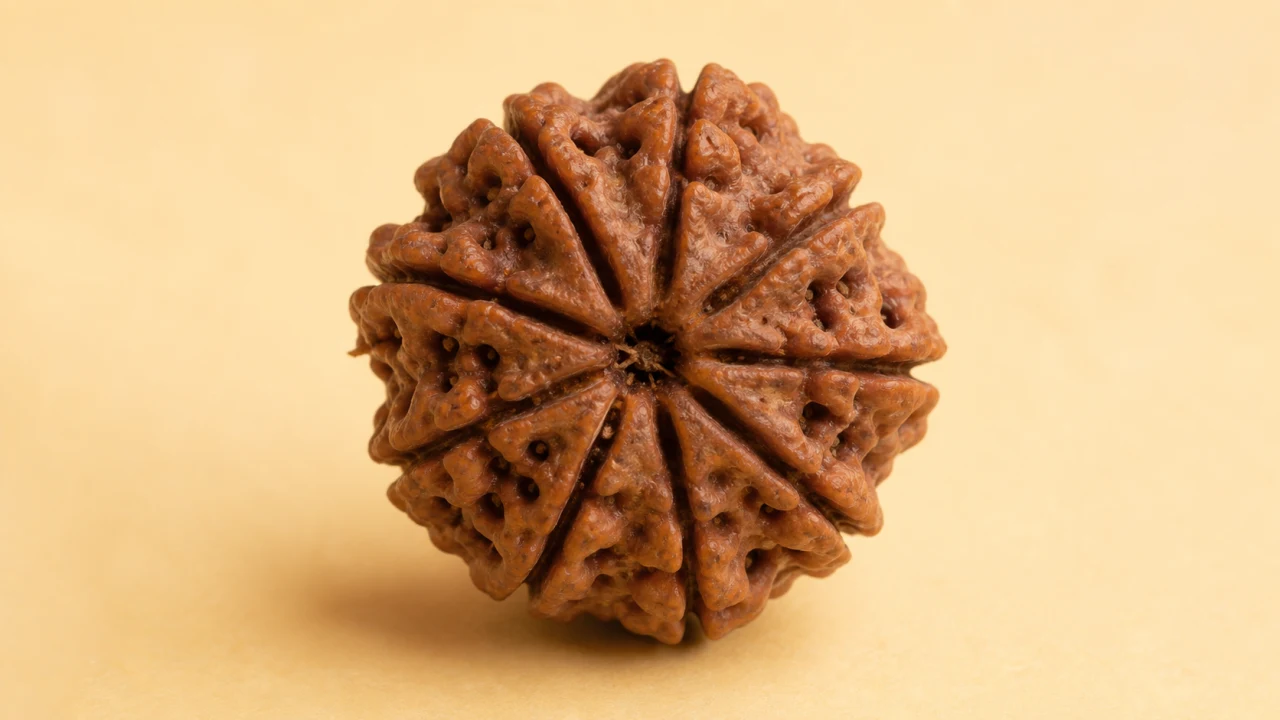 Symbolic AI-generated illustration; natural beads vary and the image is not evidence of identity or authenticity.
Rudraksha
12 Mukhi Rudraksha has 12 principal natural faces. The Siva Purana gives the twelve Adityas, with wearing on the hair of the head; the Rudraksajabala witness gives Mahavishnu and the twelve Adityas; Devi Bhagavata 11.4 gives the twelve Adityas, with ear wearing and 11.7 gives Mahavishnu and the twelve Adityas. These readings are retained separately.
Scriptural sourceModern research
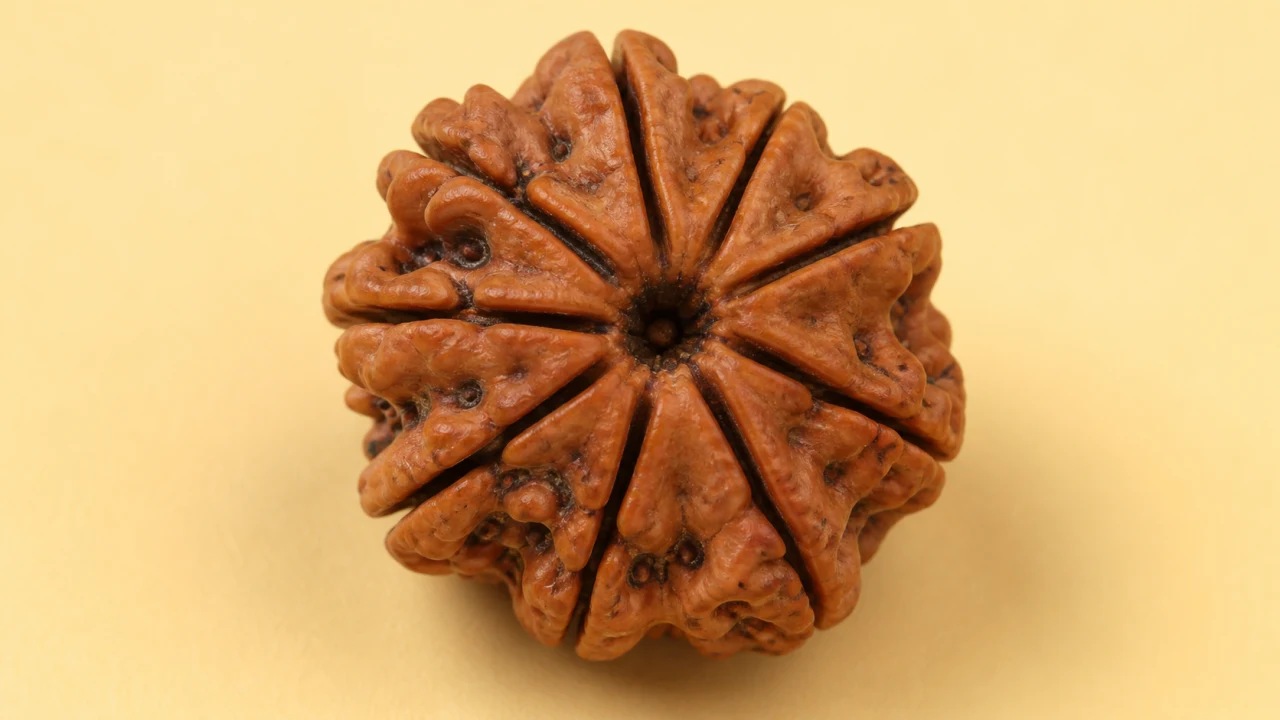 Symbolic AI-generated illustration; natural beads vary and the image is not evidence of identity or authenticity.
Rudraksha
13 Mukhi Rudraksha has 13 principal natural faces. The Siva Purana gives the Visvedevas; the Rudraksajabala witness gives Kamadeva; Devi Bhagavata 11.4 gives Kartikeya and 11.7 gives Kamadeva. These readings are retained separately.
Scriptural sourceModern research
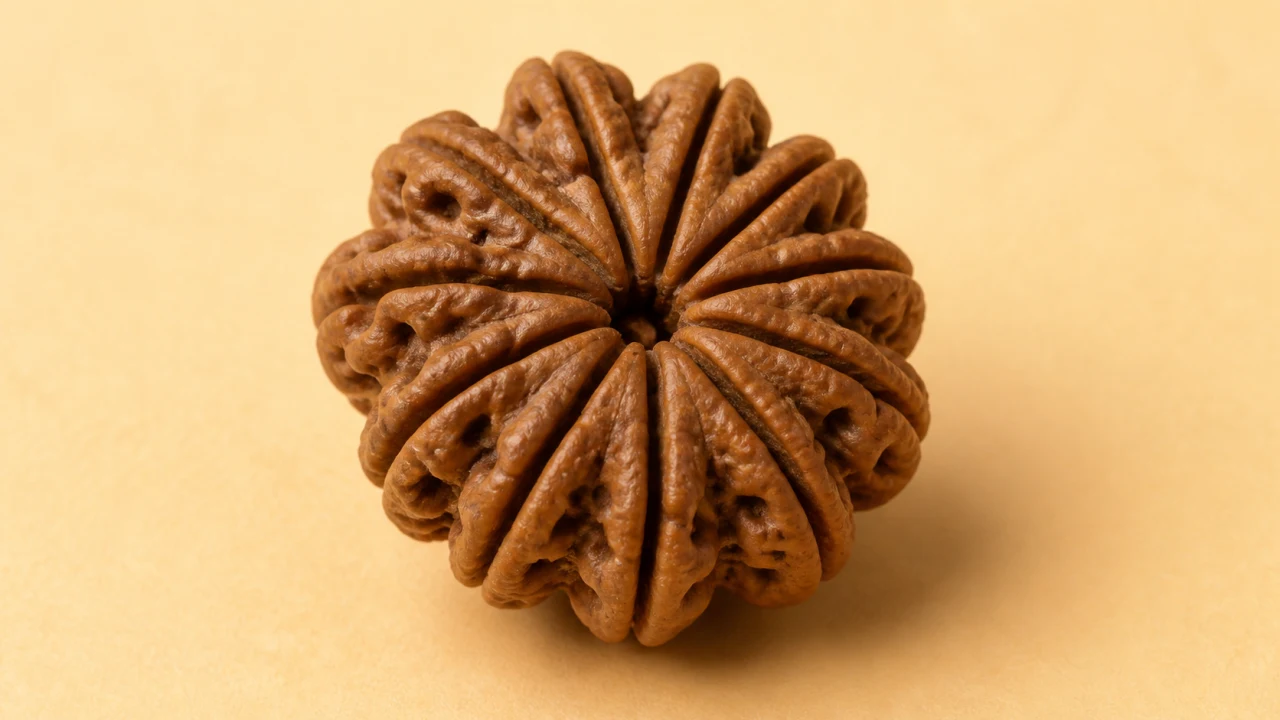 Symbolic AI-generated illustration; natural beads vary and the image is not evidence of identity or authenticity.
Rudraksha
14 Mukhi Rudraksha has 14 principal natural faces. The Siva Purana gives the highest Siva, with head wearing; the Rudraksajabala witness gives origin from Rudra’s eye; Devi Bhagavata 11.4 gives the body/form of Siva, with head wearing and 11.7 gives origin from Rudra’s eye with a scriptural health fruit. These readings are retained separately.
Scriptural sourceModern research
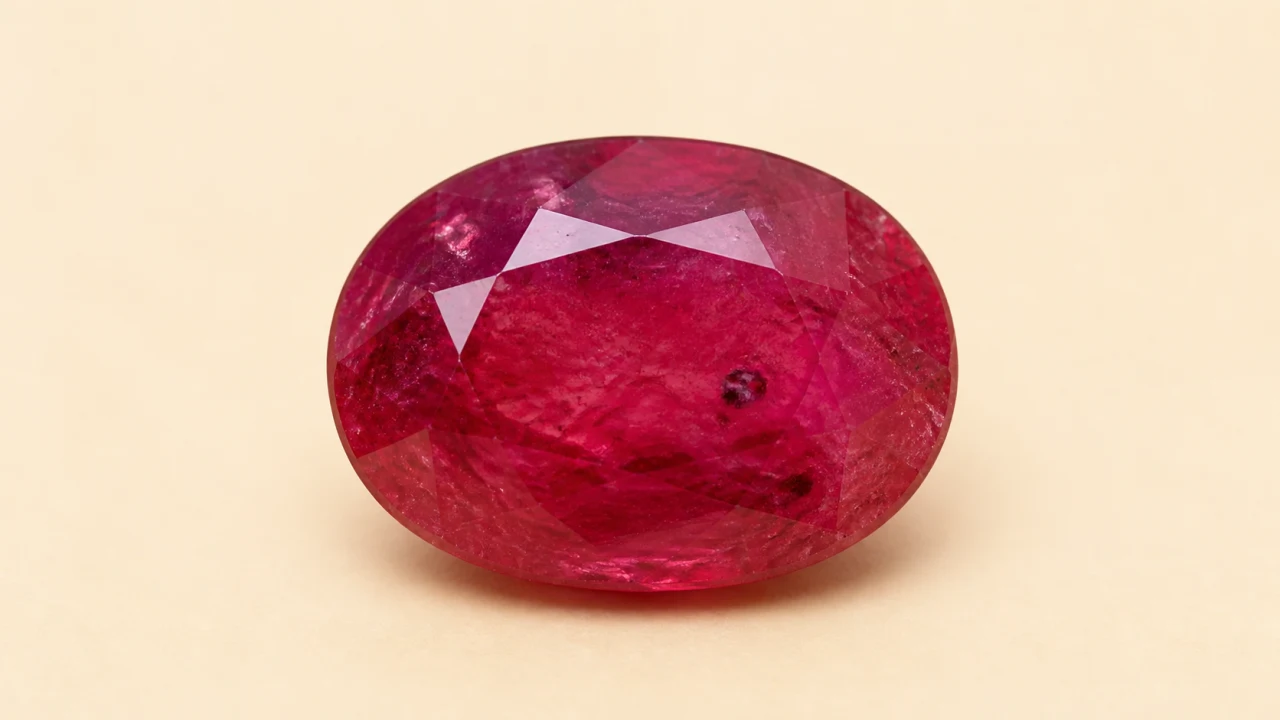 Symbolic AI-generated review illustration; not proof of material identity, treatment, provenance, consecration or authenticity.
Ratna
Ruby (Manikya) is corundum variety; aluminium oxide Al2O3. Its Mohs hardness is about 9, but hardness is not the same as freedom from chipping, cleavage, inclusions or setting damage. In practical buying, identity, natural or laboratory-grown origin, treatments, weight and durability should be considered together.
Modern researchDocumented tradition
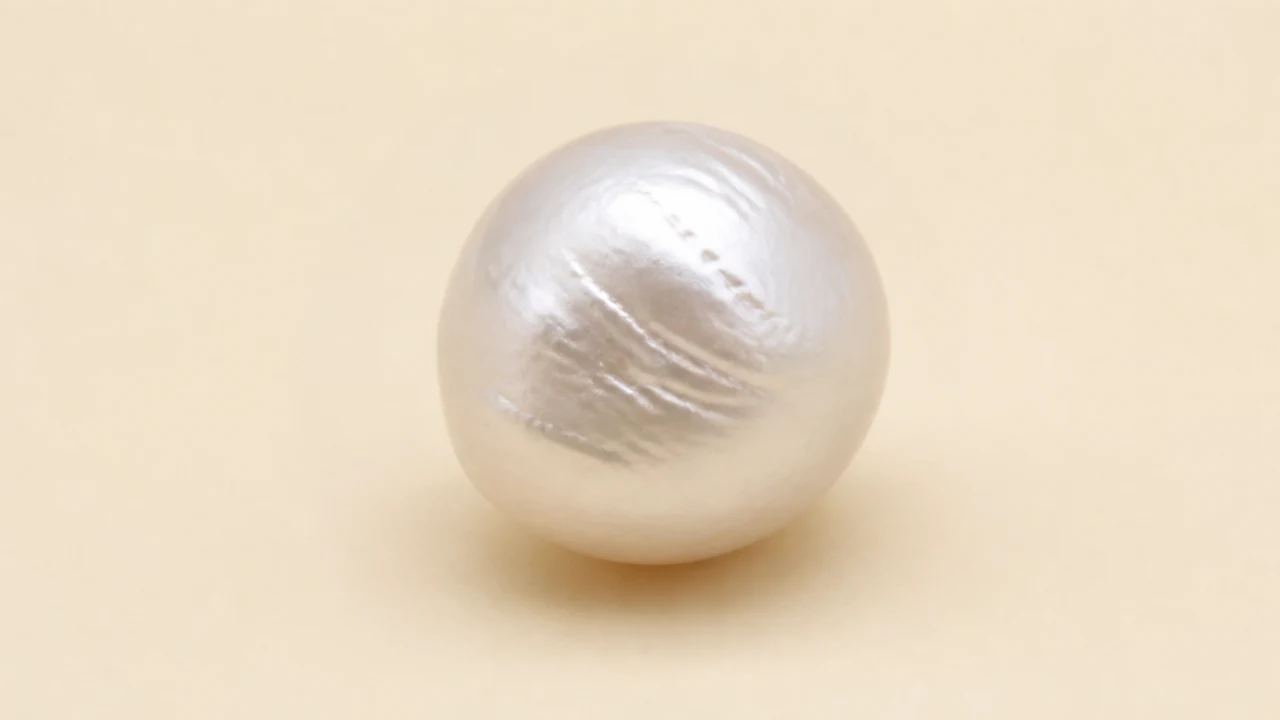 Symbolic AI-generated review illustration; not proof of material identity, treatment, provenance, consecration or authenticity.
Ratna
Natural Pearl (Mukta) is biogenic calcium-carbonate layers, mainly aragonite with organic matter. Its Mohs hardness is about 2.5–4.5, but hardness is not the same as freedom from chipping, cleavage, inclusions or setting damage. In practical buying, identity, natural or laboratory-grown origin, treatments, weight and durability should be considered together.
Modern researchDocumented tradition
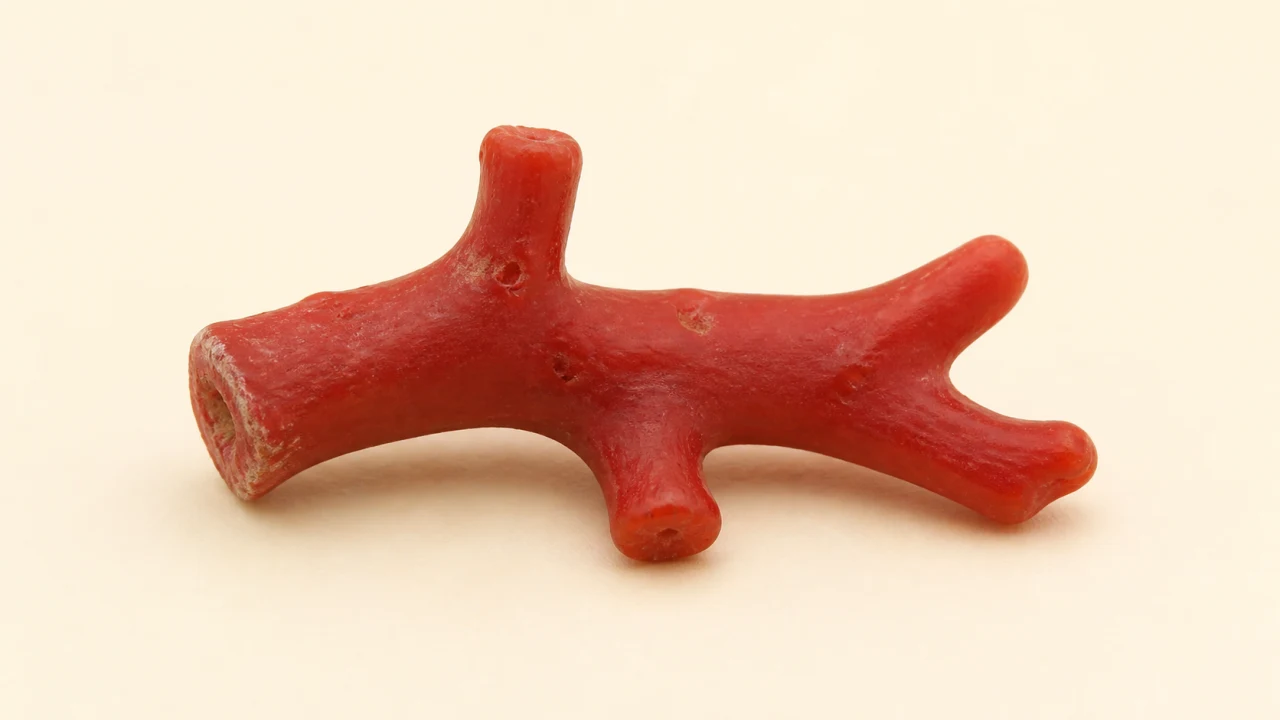 Symbolic AI-generated review illustration; not proof of material identity, treatment, provenance, consecration or authenticity.
Ratna
Precious Red Coral (Pravala) is calcium-carbonate skeleton of precious coral. Its Mohs hardness is about 3–4, but hardness is not the same as freedom from chipping, cleavage, inclusions or setting damage. In practical buying, identity, natural or laboratory-grown origin, treatments, weight and durability should be considered together.
Modern researchDocumented tradition
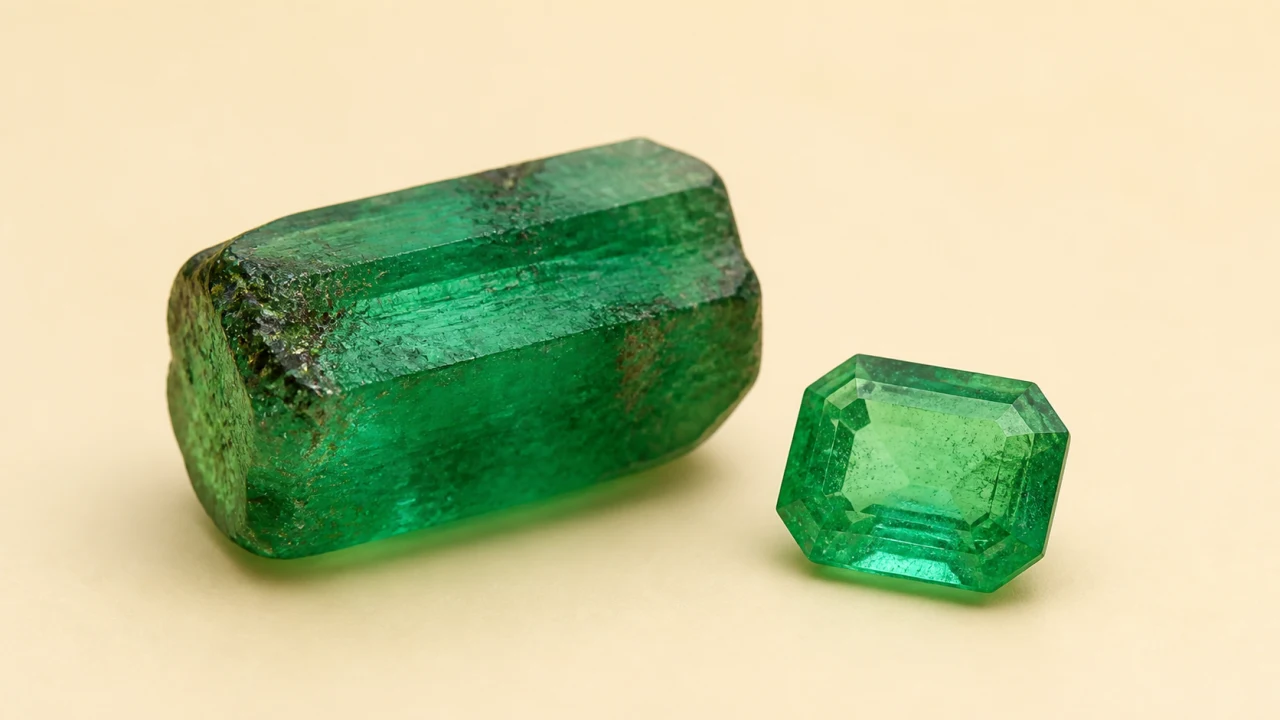 Symbolic AI-generated review illustration; not proof of material identity, treatment, provenance, consecration or authenticity.
Ratna
Emerald (Marakata) is green beryl; Be3Al2Si6O18. Its Mohs hardness is about 7.5–8, but hardness is not the same as freedom from chipping, cleavage, inclusions or setting damage. In practical buying, identity, natural or laboratory-grown origin, treatments, weight and durability should be considered together.
Modern researchDocumented tradition
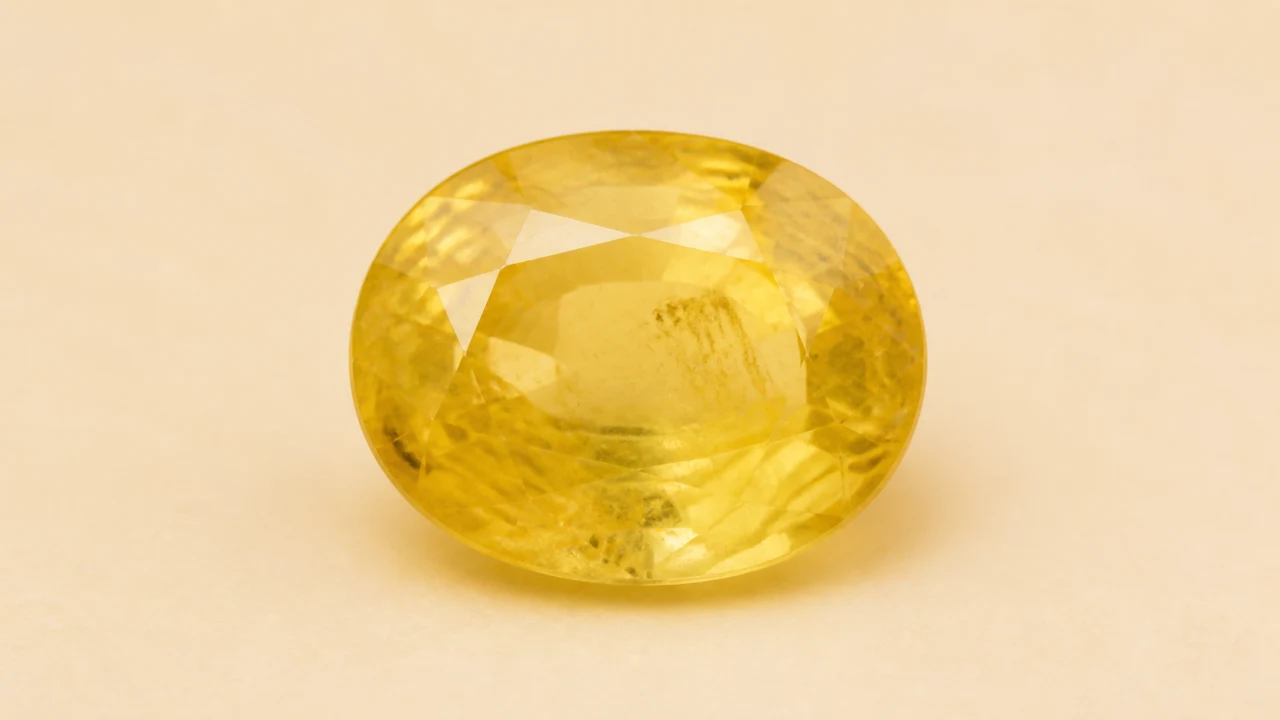 Symbolic AI-generated review illustration; not proof of material identity, treatment, provenance, consecration or authenticity.
Ratna
Yellow Sapphire (Pukhraj) is yellow corundum; aluminium oxide Al2O3. Its Mohs hardness is about 9, but hardness is not the same as freedom from chipping, cleavage, inclusions or setting damage. In practical buying, identity, natural or laboratory-grown origin, treatments, weight and durability should be considered together.
Modern researchDocumented tradition
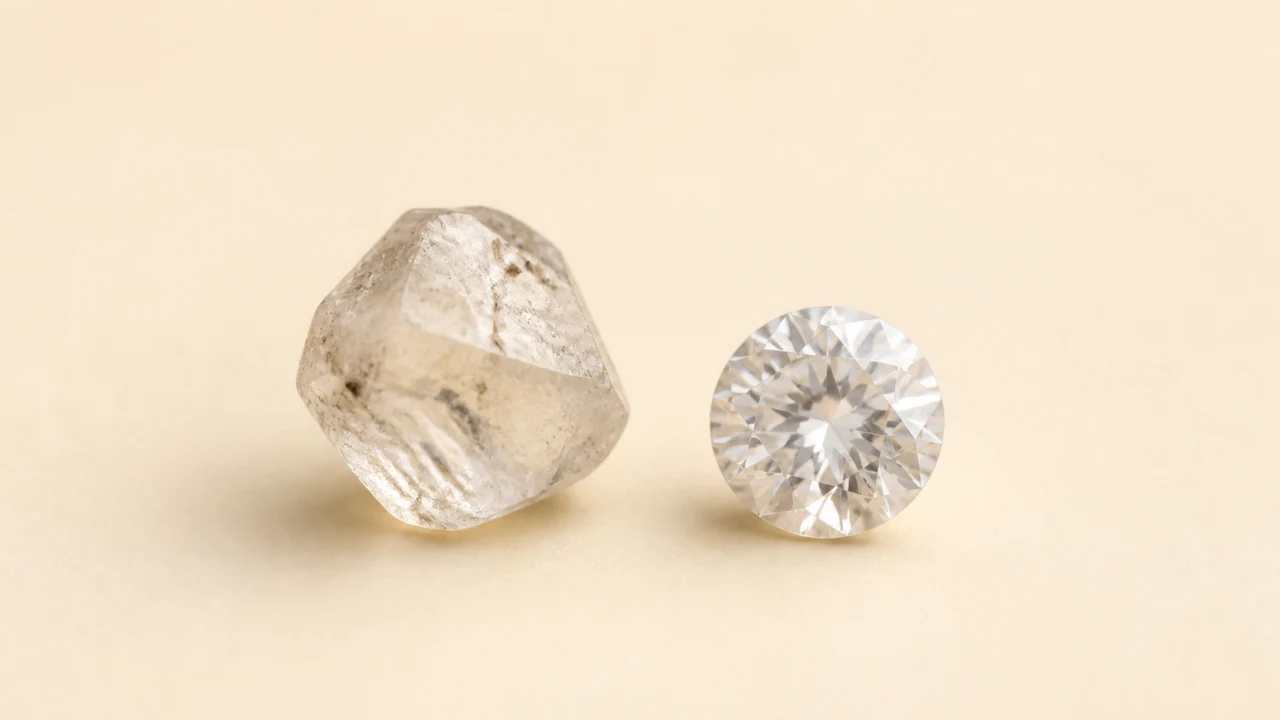 Symbolic AI-generated review illustration; not proof of material identity, treatment, provenance, consecration or authenticity.
Ratna
Diamond (Vajra) is crystalline carbon, C. Its Mohs hardness is about 10, but hardness is not the same as freedom from chipping, cleavage, inclusions or setting damage. In practical buying, identity, natural or laboratory-grown origin, treatments, weight and durability should be considered together.
Modern researchDocumented tradition
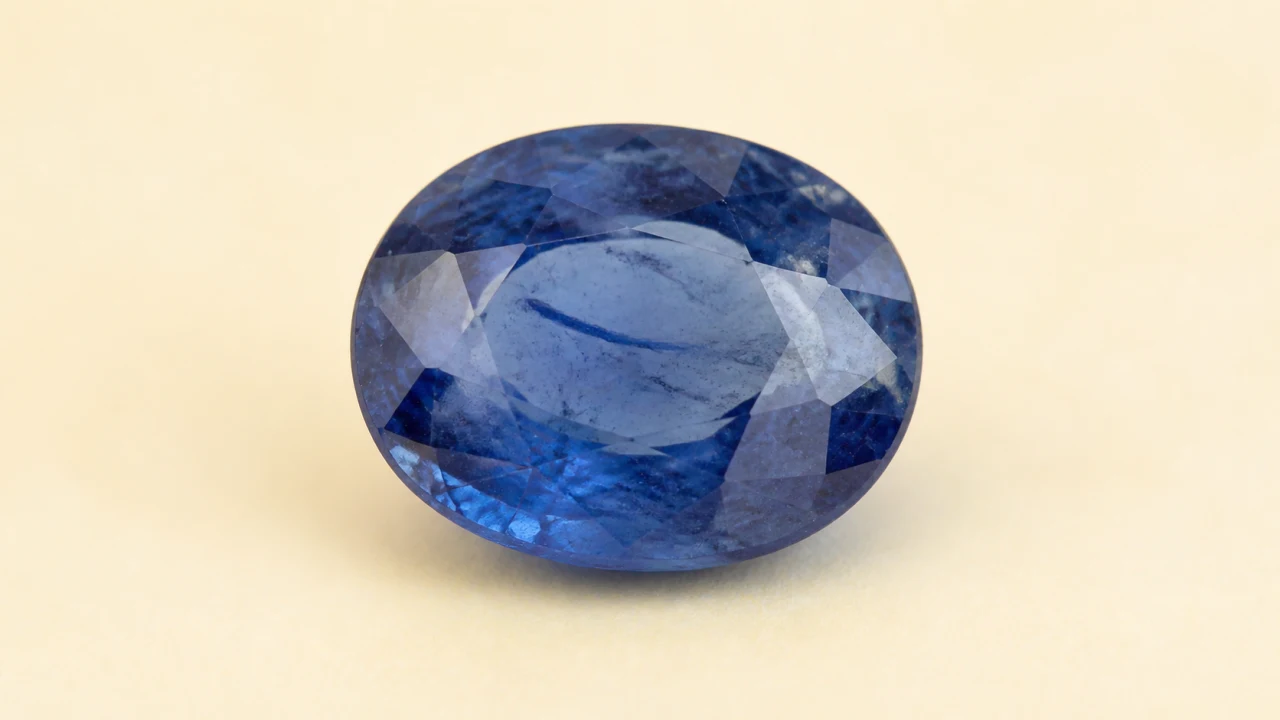 Symbolic AI-generated review illustration; not proof of material identity, treatment, provenance, consecration or authenticity.
Ratna
Blue Sapphire (Nilam) is blue corundum; aluminium oxide Al2O3. Its Mohs hardness is about 9, but hardness is not the same as freedom from chipping, cleavage, inclusions or setting damage. In practical buying, identity, natural or laboratory-grown origin, treatments, weight and durability should be considered together.
Modern researchDocumented tradition
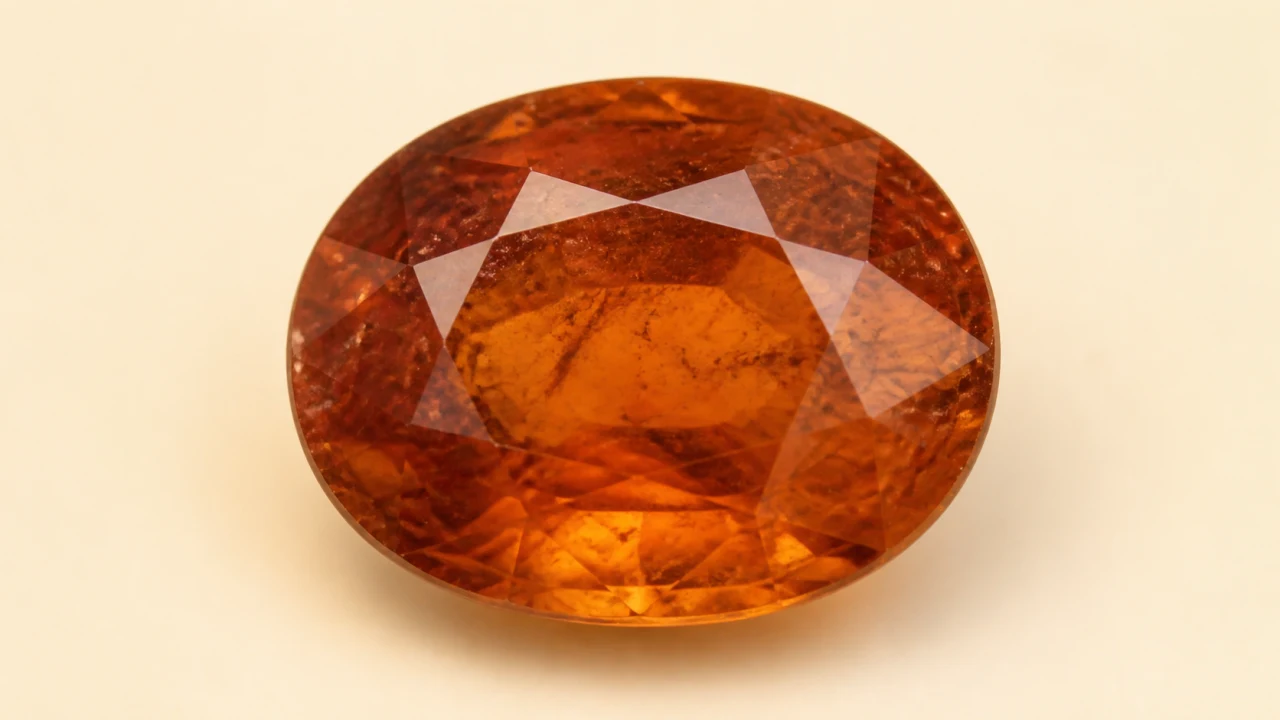 Symbolic AI-generated review illustration; not proof of material identity, treatment, provenance, consecration or authenticity.
Ratna
Hessonite Garnet (Gomed) is hessonite variety of grossular garnet; calcium aluminium silicate. Its Mohs hardness is about 6.5–7.5, but hardness is not the same as freedom from chipping, cleavage, inclusions or setting damage. In practical buying, identity, natural or laboratory-grown origin, treatments, weight and durability should be considered together.
Modern researchDocumented tradition
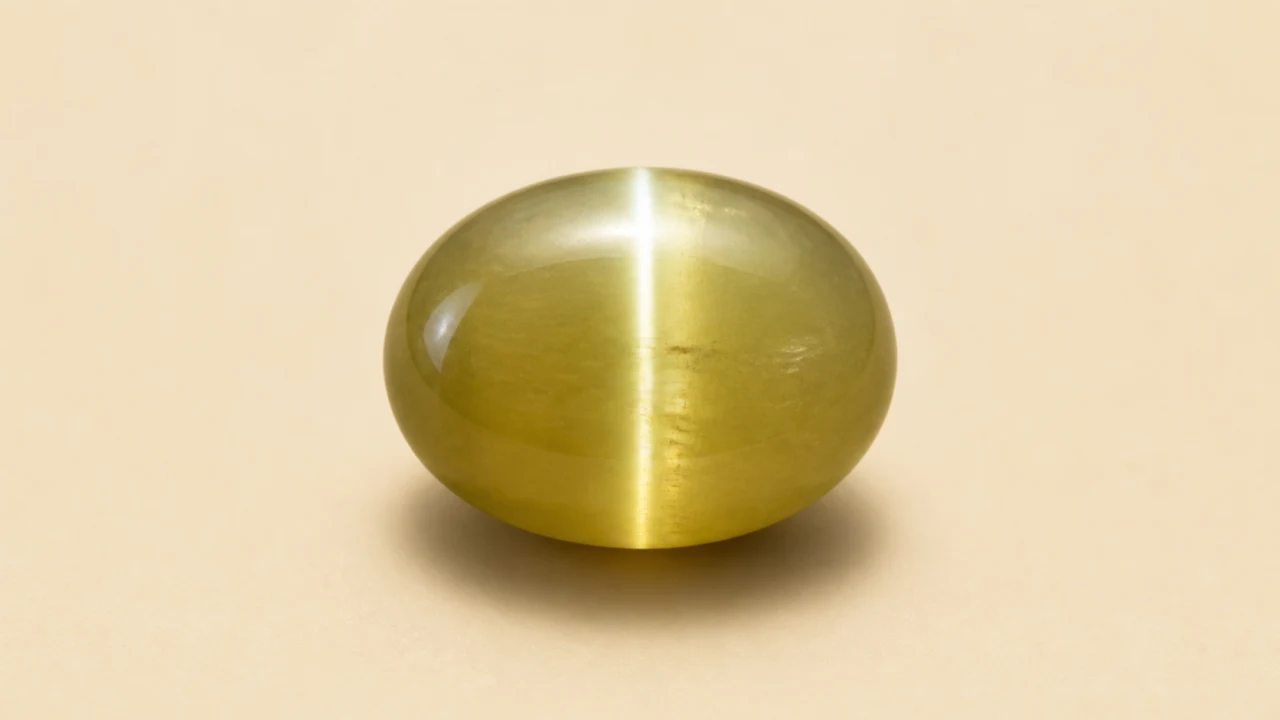 Symbolic AI-generated review illustration; not proof of material identity, treatment, provenance, consecration or authenticity.
Ratna
Chrysoberyl Cat’s-eye (Vaidurya) is chatoyant chrysoberyl; BeAl2O4. Its Mohs hardness is about 8.5, but hardness is not the same as freedom from chipping, cleavage, inclusions or setting damage. In practical buying, identity, natural or laboratory-grown origin, treatments, weight and durability should be considered together.
Modern researchDocumented tradition
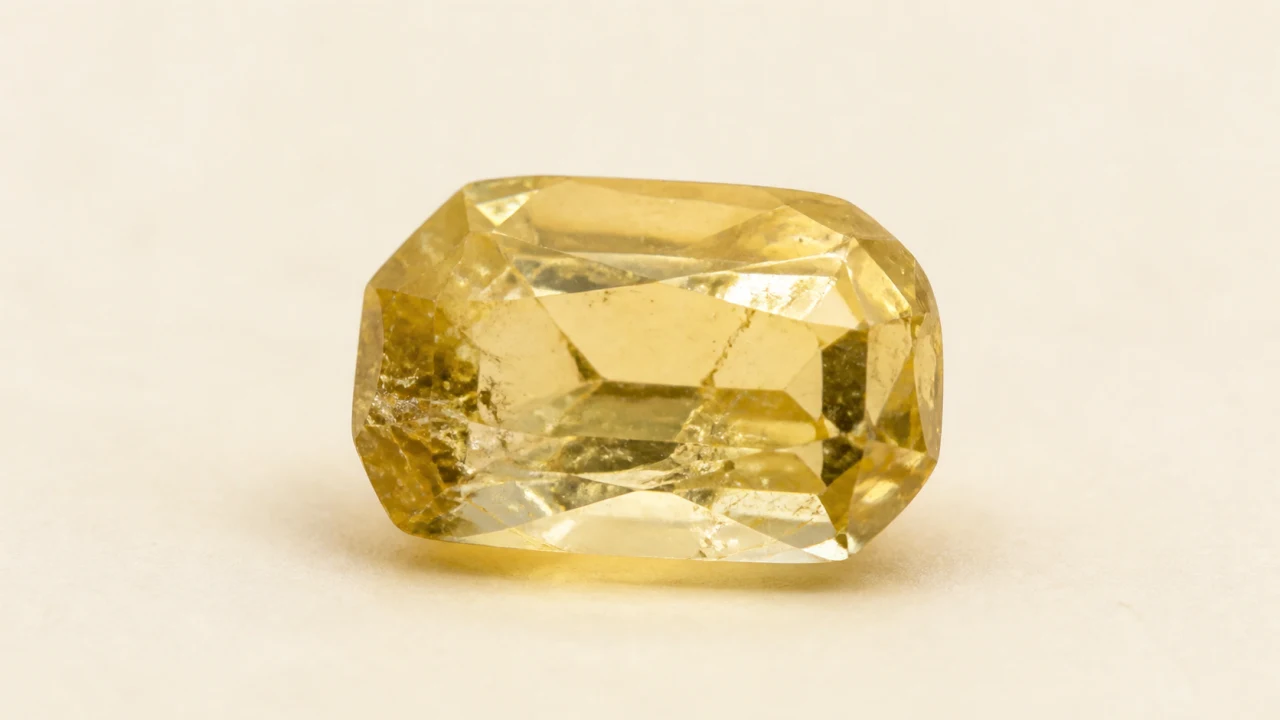 Symbolic AI-generated review illustration; not proof of material identity, treatment, provenance, consecration or authenticity.
Ratna
Yellow Topaz is topaz; Al2SiO4(F,OH)2, not sapphire. Its Mohs hardness is about 8, but hardness is not the same as freedom from chipping, cleavage, inclusions or setting damage. In practical buying, identity, natural or laboratory-grown origin, treatments, weight and durability should be considered together.
Modern researchDocumented tradition
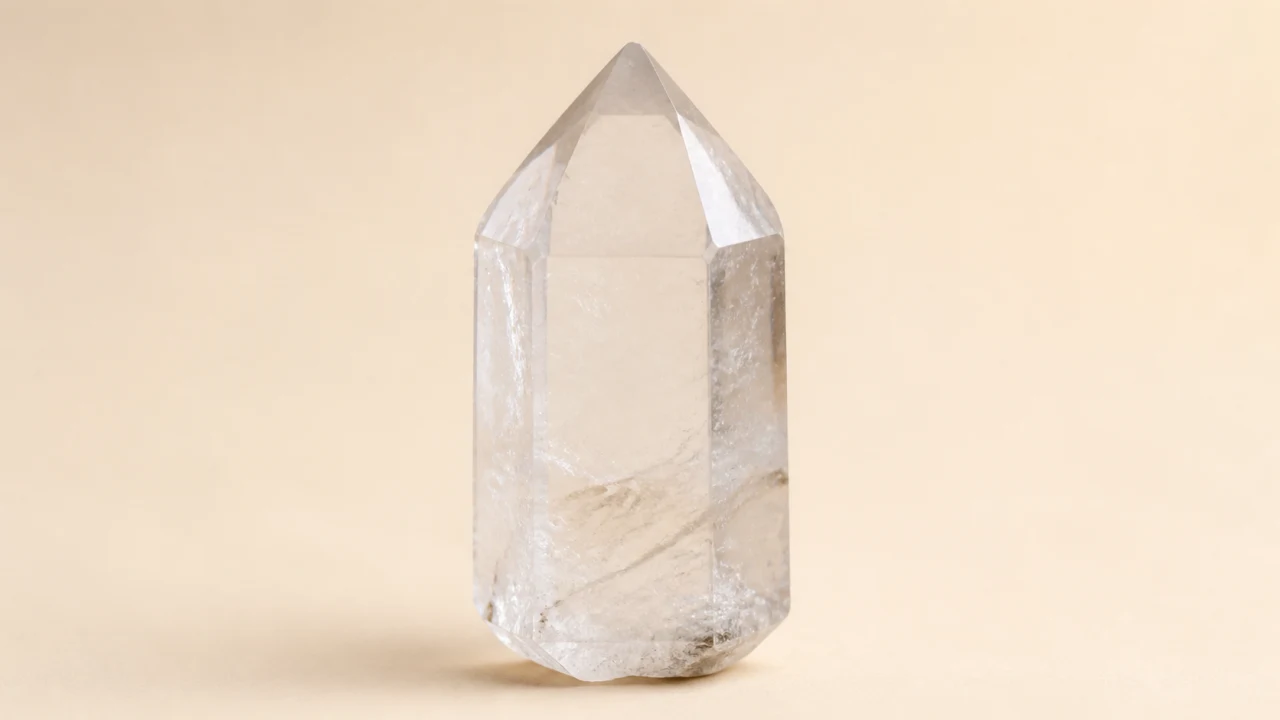 Symbolic AI-generated review illustration; not proof of material identity, treatment, provenance, consecration or authenticity.
Sphatik
Rock Crystal (Sphatik) is colourless macrocrystalline quartz, SiO2; Mohs 7. It is included because it has a stable practical identity and documented religious use; commercial adjectives and promised effects are not part of that identity.
Modern researchDocumented tradition
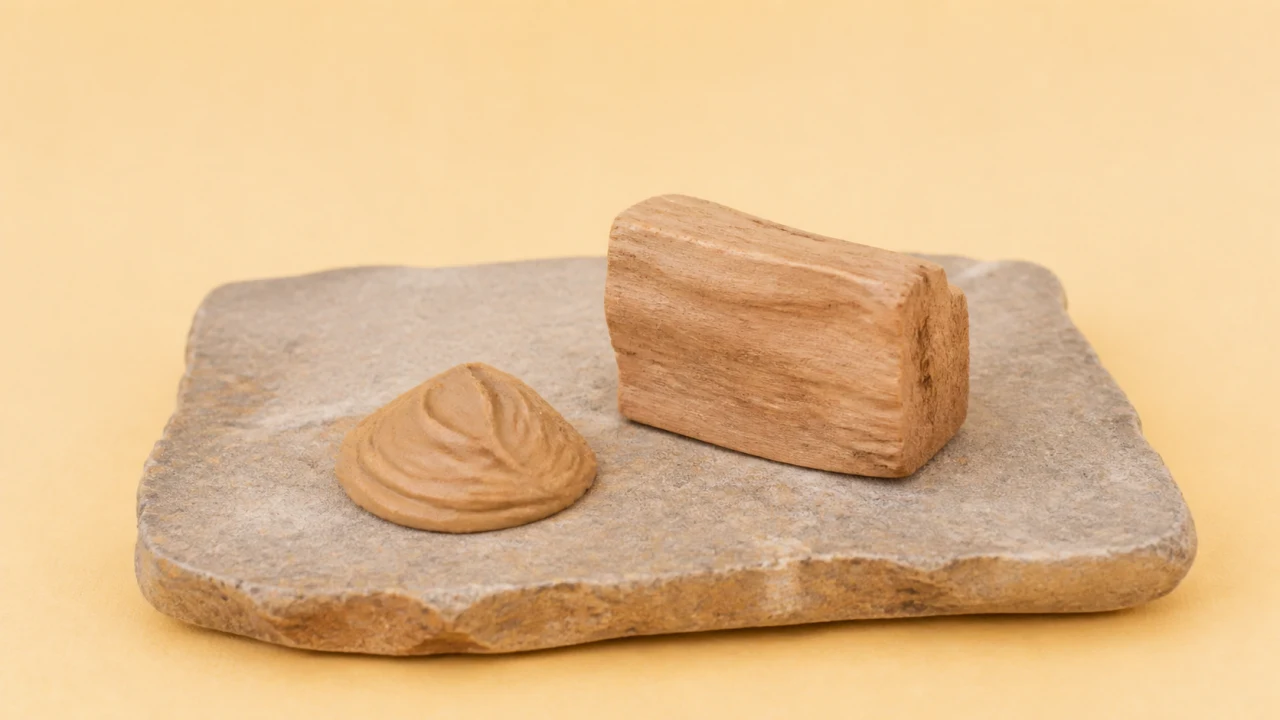 Symbolic AI-generated review illustration; not proof of material identity, treatment, provenance, consecration or authenticity.
Chandan
Indian White Sandalwood is heartwood of Santalum album L.; identity depends on botanical provenance and wood chemistry, not colour or fragrance alone. It is included because it has a stable practical identity and documented religious use; commercial adjectives and promised effects are not part of that identity.
Modern researchDocumented tradition
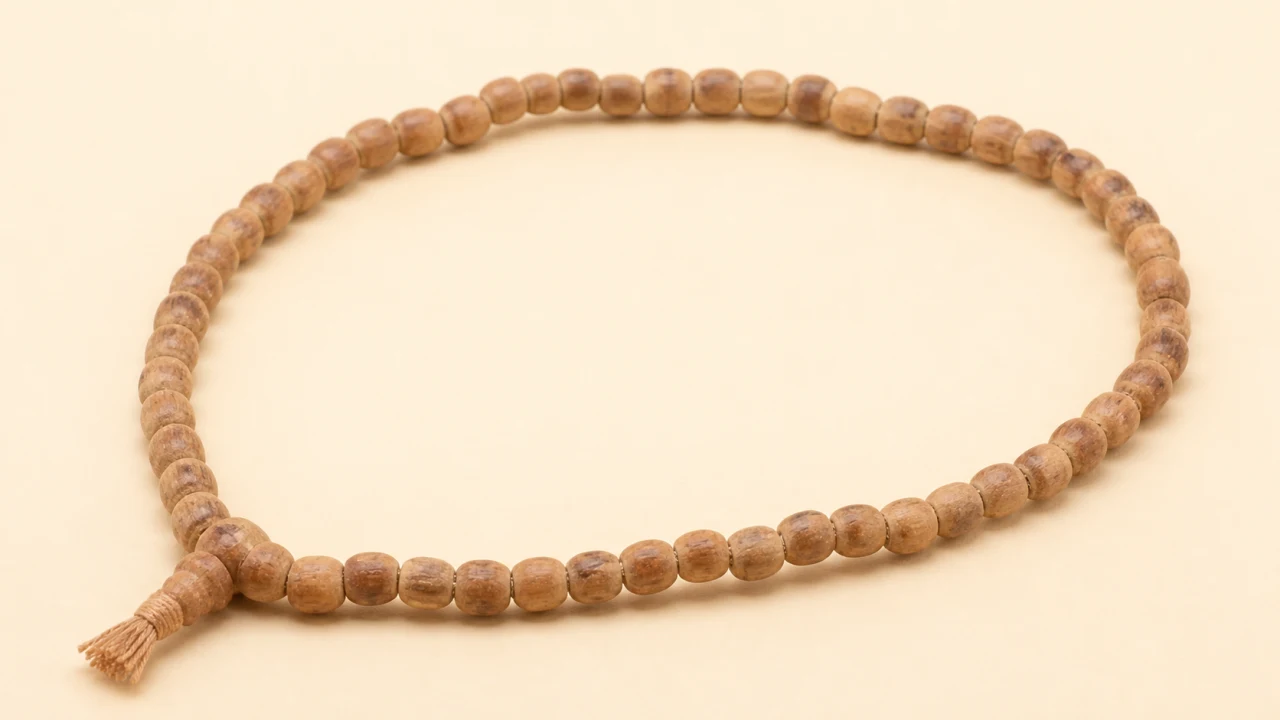 Symbolic AI-generated review illustration; not proof of material identity, treatment, provenance, consecration or authenticity.
Japa Mala
Tulsi Japa Mala is a strung devotional article represented as Tulsi wood; species identity cannot be established from bead colour alone. It is included because it has a stable practical identity and documented religious use; commercial adjectives and promised effects are not part of that identity.
Modern researchDocumented tradition
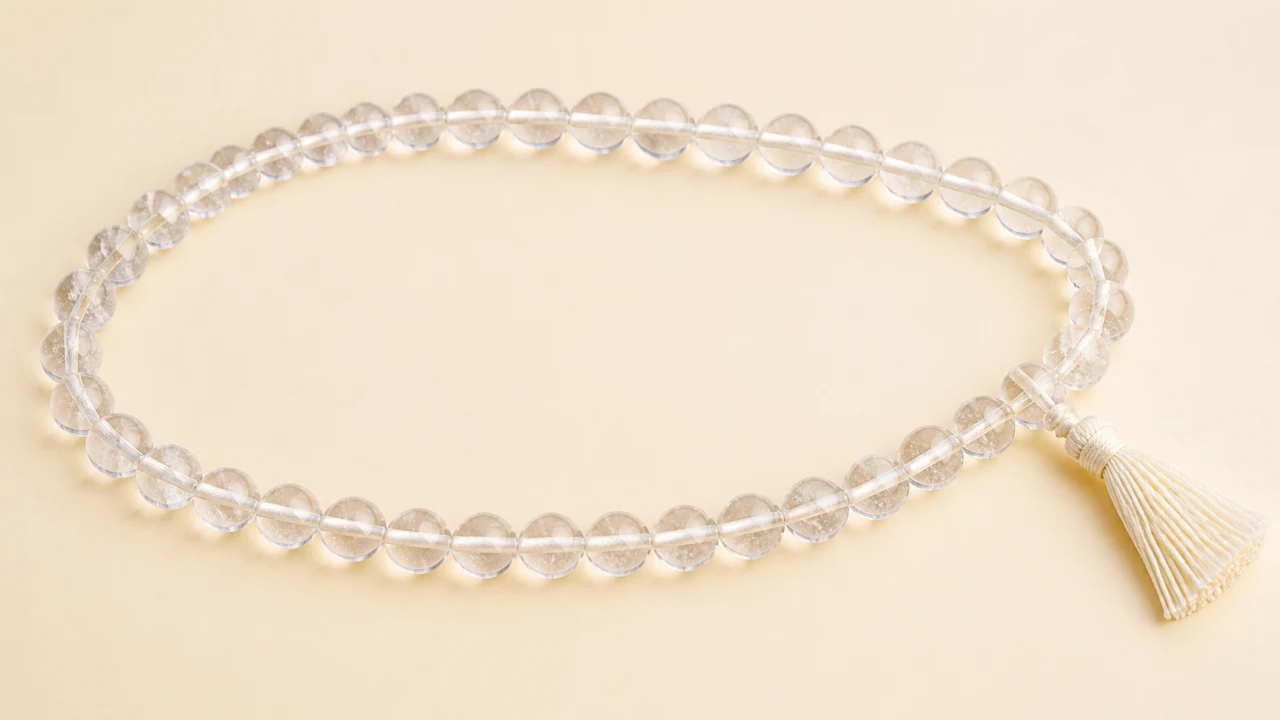 Symbolic AI-generated review illustration; not proof of material identity, treatment, provenance, consecration or authenticity.
Japa Mala
Sphatik Japa Mala is a strung mala of rock-crystal beads; each bead should be quartz rather than glass or mixed material. It is included because it has a stable practical identity and documented religious use; commercial adjectives and promised effects are not part of that identity.
Modern researchDocumented tradition
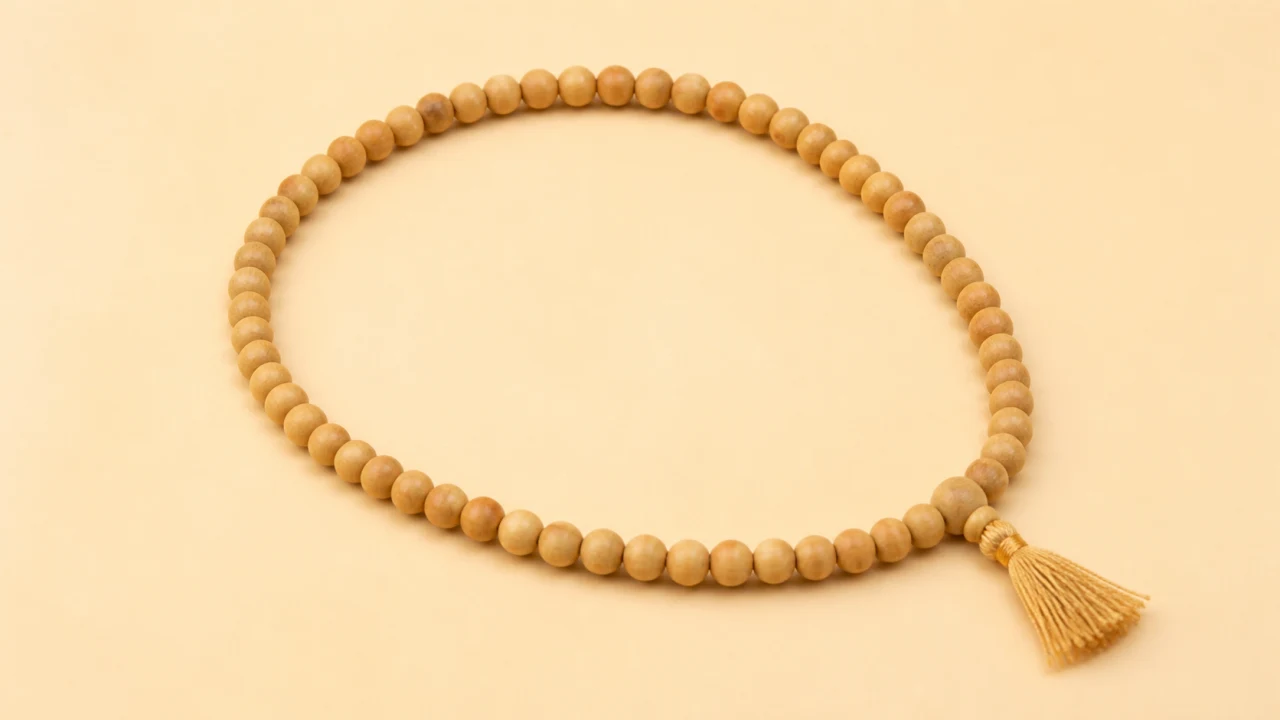 Symbolic AI-generated review illustration; not proof of material identity, treatment, provenance, consecration or authenticity.
Japa Mala
Chandan Japa Mala is a strung devotional article represented as Santalum album wood. It is included because it has a stable practical identity and documented religious use; commercial adjectives and promised effects are not part of that identity.
Modern researchDocumented tradition
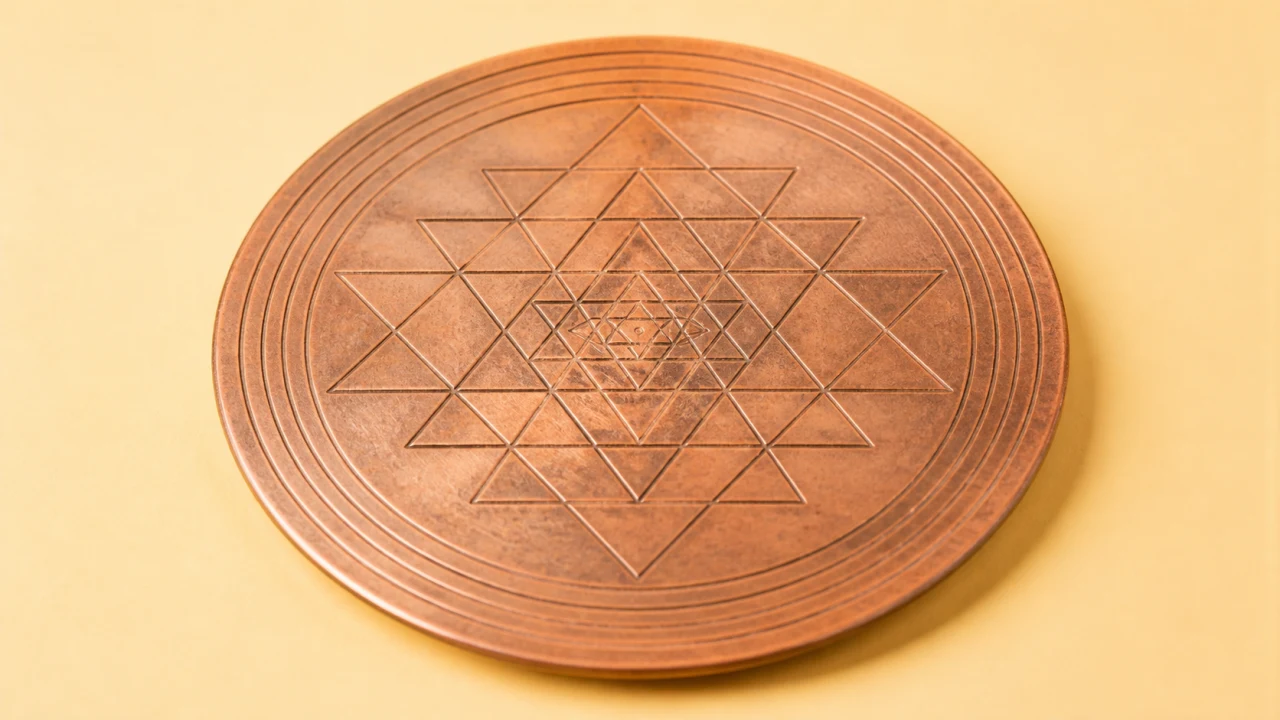 Symbolic AI-generated review illustration; not proof of material identity, treatment, provenance, consecration or authenticity.
Yantra
Sri Chakra (Sri Yantra) is a sacred geometric diagram used in Sri Vidya traditions; it is not a mineral specimen or a universally standardised retail object. It is included because it has a stable practical identity and documented religious use; commercial adjectives and promised effects are not part of that identity.
Modern research
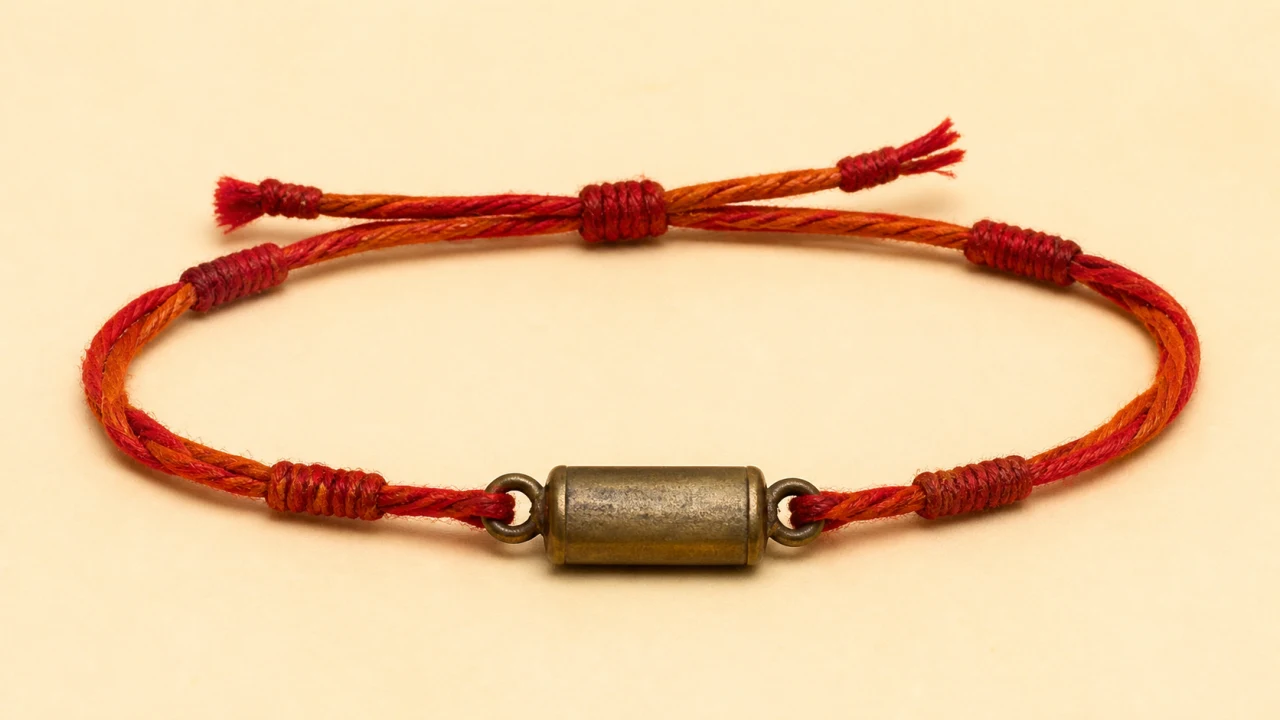 Symbolic AI-generated review illustration; not proof of material identity, treatment, provenance, consecration or authenticity.
Kavach
Pratisara Protective Amulet is a tied ritual thread or amulet category documented in Atharvanic material; it is not one fixed commercial product. It is included because it has a stable practical identity and documented religious use; commercial adjectives and promised effects are not part of that identity.
Modern research