Canonical identity: chatoyant chrysoberyl. A name, colour, scent or photograph cannot authenticate a specimen; independent material testing or provenance is required.
Source: GIA Gem Encyclopedia · Identity and authentication · Institutional record

Select your language


Chrysoberyl Cat’s-eye (Vaidurya) is chatoyant chrysoberyl; BeAl2O4. Its Mohs hardness is about 8.5, but hardness is not the same as freedom from chipping, cleavage, inclusions or setting damage. In practical buying, identity, natural or laboratory-grown origin, treatments, weight and durability should be considered together.
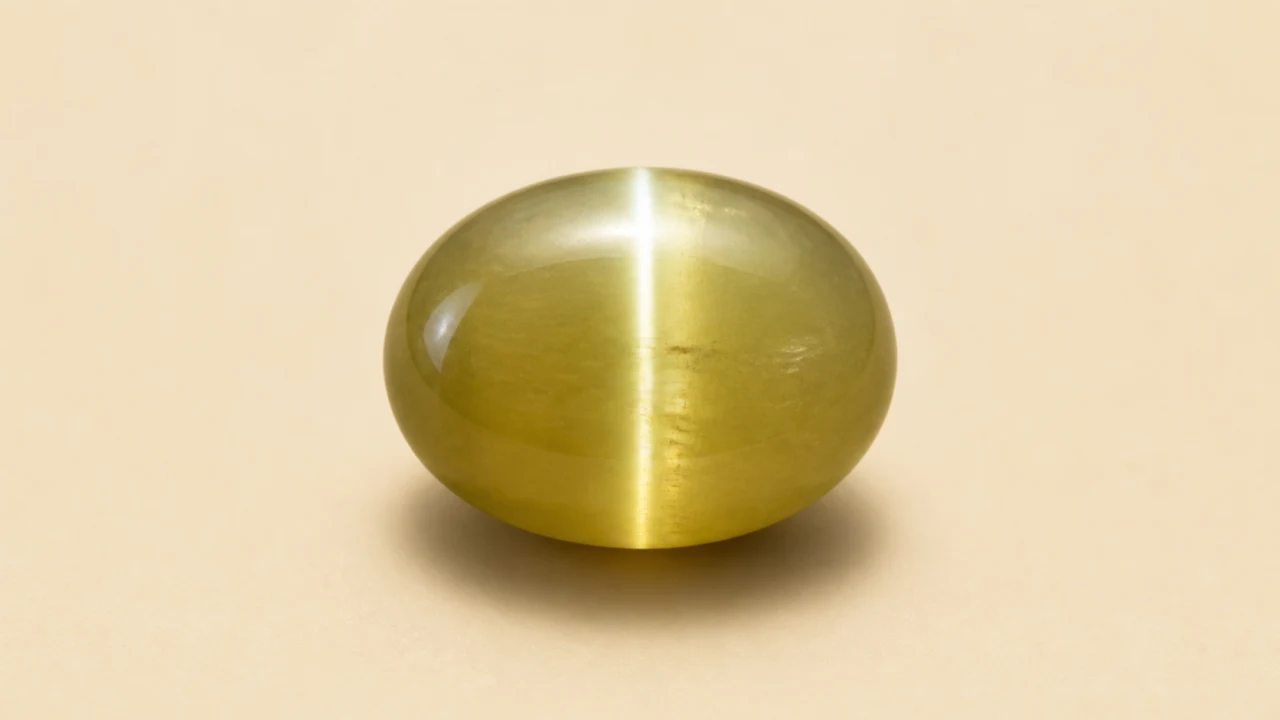
Chrysoberyl Cat’s-eye (Vaidurya) · chatoyant chrysoberyl
Identity and quality: aligned inclusions create the moving eye-like band. quartz cat’s-eye, glass fibre imitations, assembled stones and weak or artificial bands must be distinguished A seller's card, colour, price, photograph or a simple handheld tester is not a complete identification. For a valuable purchase, obtain an independent report from a competent gemmological laboratory stating species or variety, natural/laboratory-grown origin where determinable, detectable treatments, measurements and weight. A report describes the submitted specimen; it does not certify astrological effect, ethics, mine origin unless specifically tested, or future value. Prefer a pleasant, even appearance, sound cutting, suitable durability and full disclosure over dramatic trade adjectives.
Documented Indian Navaratna practice associates this material with Ketu. That is a classified historical/traditional association, not a personalised prescription. It may be kept or worn as jewellery, a devotional symbol or a family object according to one's tradition. Select a secure setting and comfortable size; inspect prongs, drill holes and thread before use. Personal horoscope calculation, dose, finger, metal, auspicious time and promised results are outside this phase. Scientific gemmology can establish material properties and many treatments; it does not establish planetary causation, medical cure, guaranteed prosperity or spiritual attainment.
Before first use, record the laboratory report number, photograph the stone and setting, and check for loose parts. A simple respectful cleaning or prayer may be followed within one's tradition; the evidence reviewed does not establish one purification rite as compulsory. Use lukewarm water and mild unscented soap only when suitable for the verified material and treatment; soft organic materials and filled or assembled gems need specialist advice.
Do: store separately in a soft-lined box, remove before impact-prone work, and retain invoices, disclosures and reports. Periodically inspect the setting. Do not: expose an unidentified or treated stone to heat, steam, ultrasonic cleaning, acids, bleach or sudden temperature change; rely on scratch or destructive home tests; assume that more weight, higher price or vivid colour means greater authenticity or spiritual effect. Pearl and coral require especially gentle dry or damp wiping. Seek medical care for health concerns and qualified gemmological advice for identity disputes.
Canonical identity: chatoyant chrysoberyl. A name, colour, scent or photograph cannot authenticate a specimen; independent material testing or provenance is required.
Source: GIA Gem Encyclopedia · Identity and authentication · Institutional record
Chrysoberyl Cat’s-eye (Vaidurya) is chatoyant chrysoberyl. It is documented in Indian Navaratna practice, with identity and treatment limits stated separately.
Source: GIA — Centuries of Opulence: Jewels of India · Documented tradition · Source record
Do not treat commercial certificates, seller claims, symbolic images, price or claimed benefits as proof of identity, efficacy or personal suitability.
Source: CIBJO Blue Books — industry standards and nomenclature · Disclosure limits · Standards portal