The Siva Purana identifies the five-faced Rudraksha with Rudra and names it Kalagni.
Source: The Siva Purana, Part I — Vidyesvara-samhita, Chapter 25 · Vidyesvara-samhita, Chapter 25 · Verses 69–70

Select your language


A five-faced Rudraksha editorial dossier. Shaiva scripture associates it with Rudra/Kalagni; all spiritual benefits are presented as tradition, not guaranteed or medical outcomes.
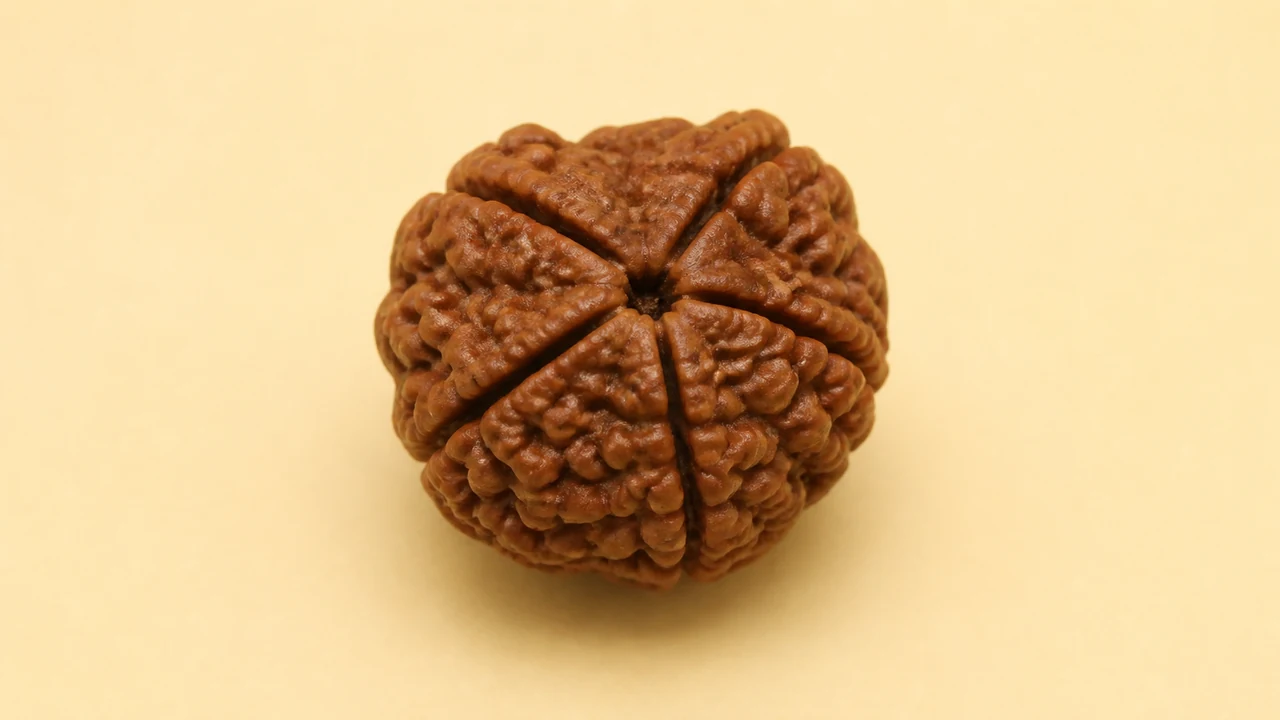
Rudraksha bead (Elaeocarpus angustifolius endocarp) · botanical fruit endocarp
Identity: a dried stony endocarp sold as Rudraksha, botanically associated with Elaeocarpus angustifolius (Elaeocarpus ganitrus is a documented synonym). Count five naturally formed continuous surface divisions from pole to pole. Visual counting alone cannot prove species, internal structure, or absence of carving/gluing; use magnification and, for a valuable bead, independent X-ray/morphology examination. Reject cracked, worm-damaged, cut, glued, filled, or visibly recarved material.
Use: it may be worn as a securely threaded single bead or used in a japa mala according to one’s Shaiva lineage. Siva Purana 1.25 gives Om Hrim Namah for the five-faced bead and also recognizes the general Panchakshari Namah Shivaya. This is devotional practice, not a health treatment. Purification: no single universal milk, oil, river-water, weekday, metal, or elaborate energising sequence was verified; a safe simple preparation is to inspect it, briefly clean it with potable water when uncapped, dry it completely, and recite the chosen verified mantra with devotion.
No universal mandatory purification recipe was verified. Prefer a hygienic, non-destructive preparation: clean hands; brief potable-water wipe/rinse only if the bead and mount permit; complete shade drying; then devotional recitation. Do not consume soak-water. Do not claim that milk, ghee, oil, chemicals, or ritual treatment authenticates the bead or creates medical power.
Maintenance: keep dry after use; wipe with a soft dry cloth; avoid prolonged soaking, detergents, perfumes, heat, impact, and damp storage; inspect thread and cracks periodically. Replace damaged string safely. Benefits are limited to qualified scriptural/traditional meaning; claims about hypertension, diabetes, thyroid, heart disease, sleep, cortisol, planets, chakras, aura, or guaranteed results remain unverified. Seek medical care for health concerns.
The Siva Purana identifies the five-faced Rudraksha with Rudra and names it Kalagni.
Source: The Siva Purana, Part I — Vidyesvara-samhita, Chapter 25 · Vidyesvara-samhita, Chapter 25 · Verses 69–70
A 2010 laboratory study characterized the dried fruit bead and tested extracts; it did not establish human health benefits from wearing a five-faced bead.
Source: Pharmacognostic and antifungal investigations of Elaeocarpus ganitrus (Rudrakasha) · Research article · Volume 72(2), pp. 261–265; DOI 10.4103/0250-474X.65021
The accepted botanical name used for this dossier is Elaeocarpus angustifolius Blume; Elaeocarpus ganitrus is a documented synonym in current taxonomic sources.
Source: Elaeocarpus angustifolius Blume — Plants of the World Online · Taxon record · Elaeocarpus angustifolius Blume
Siva Purana 1.25.21–23 prefers sound, naturally formed beads, rejects worm-damaged, cut, broken, cracked or malformed material, and distinguishes a natural hole from a human-bored hole; these are textual selection criteria, not a complete modern authenticity test.
Source: The Siva Purana, Part I — Vidyesvara-samhita, Chapter 25 · Vidyesvara-samhita, Chapter 25 · Verses 21–23
Siva Purana 1.25 gives Om Hrim Namah for the five-faced Rudraksha.
Source: The Siva Purana, Part I — Vidyesvara-samhita, Chapter 25 · Vidyesvara-samhita, Chapter 25 · Mantra list after verse 81: Om Hrim Namah